
Dysoxylum pettigrewianum
Dysoxylum pettigrewianum
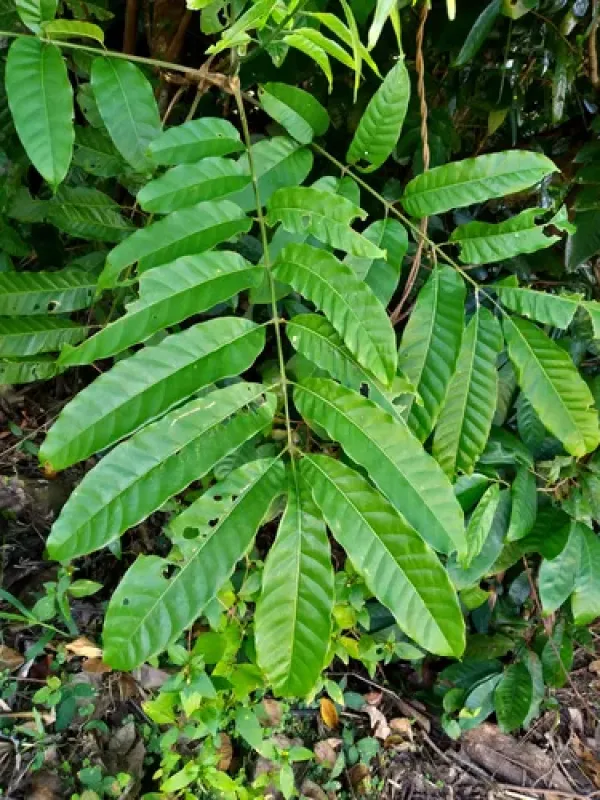
Description
Growing requirements
Dysoxylum pettigrewianum is a prominent tree species belonging to the Meliaceae family, native to tropical rainforest regions. It is recognized for its robust growth habit and high-quality timber potential.
The tree thrives in fertile, deep soils with high organic matter content. Adequate drainage is essential, as the root system is highly sensitive to waterlogging which can inhibit nutrient uptake and cause fungal decay.
Climate requirements involve consistently high temperatures throughout the year. The species is strictly tropical and cannot tolerate frost or prolonged chilling, which restricts its cultivation to equatorial and tropical latitudes.
In terms of light, juvenile Dysoxylum pettigrewianum plants require partial shade to avoid heat stress, while mature trees can successfully occupy the upper canopy layers to utilize direct sunlight.
Standard agronomic practices focus on soil enrichment through organic composting and maintaining a consistent humidity level. Periodic pruning is recommended to manage the structural integrity and growth trajectory of the tree.
Harvesting
The primary economic focus for this species is the production of high-grade timber. Harvesting involves identifying trees that have reached sufficient biological age, ensuring the density and grain of the wood are optimized.
Sustainable logging practices are paramount to ensure the longevity of Dysoxylum pettigrewianum populations. Forest management plans often include replanting cycles to maintain the ecological balance.
Fruit and seed collection is carried out when the pods reach maturity, typically identified by a change in color and texture. Careful handling is required to preserve seed viability for future nurseries.
After harvesting, the wood undergoes controlled seasoning processes. This step is critical to reduce moisture content and prevent warping, which enhances the commercial value of the final product.
The timber obtained from this species is highly valued for its natural durability and aesthetic appeal, making it a sustainable choice for artisanal woodworking and industrial furniture manufacturing.