
Dysoxylum parasiticum
Dysoxylum parasiticum
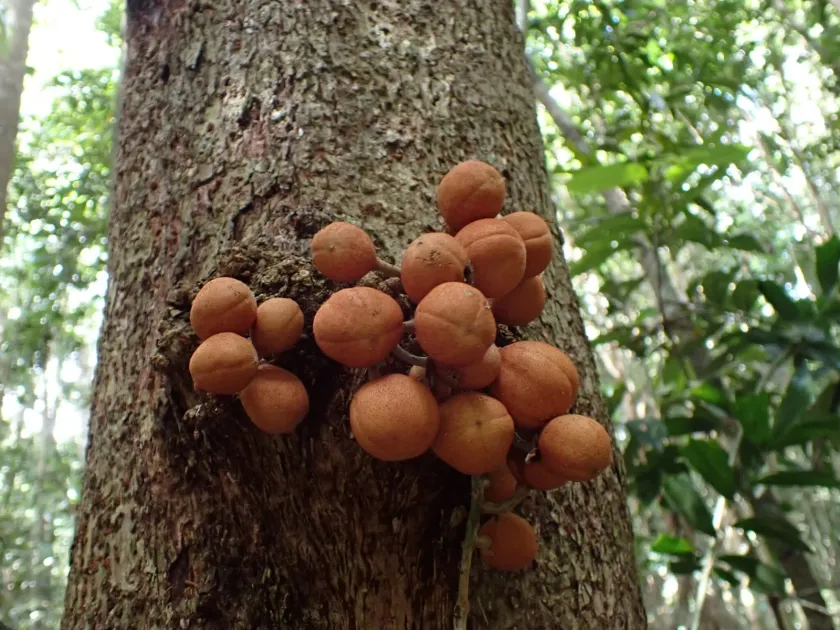
Description
Growing requirements
Dysoxylum parasiticum is a significant tree species belonging to the Meliaceae family, native to tropical rainforest ecosystems. This evergreen species thrives in environments with high humidity and consistent temperatures, reflecting its natural forest habitat.
For successful cultivation, the plant requires fertile, well-drained soils rich in organic matter. Soil aeration is critical, as the roots are highly sensitive to prolonged saturation, which can lead to significant physiological stress and growth retardation.
Botanically, the tree is recognized for its compound leaves and its characteristic cauliflory, where flowers and subsequent fruit develop directly from the trunk. This unique adaptation allows the plant to reproduce effectively within the dense structure of the forest understory.
Economically, Dysoxylum parasiticum is highly valued for its durable and high-quality timber. It is extensively utilized in local construction projects and fine woodworking, as the wood exhibits excellent density and resistance to decay when treated properly.
Proper management of this culture involves monitoring light exposure, particularly during the juvenile phase. While mature trees are more resilient, establishing adequate spacing in orchards ensures that each individual tree receives sufficient airflow to minimize disease pressure.
Main diseases and pests
The primary threats to Dysoxylum parasiticum include various fungal pathogens that flourish in high-humidity conditions. Leaf spots and blights are common issues, often managed through careful orchard sanitation and ensuring proper ventilation among the canopy layers.
Wood-boring insects represent a major threat to mature specimens, potentially compromising the structural integrity of the timber. Integrated pest management strategies, focusing on early detection and preventative measures, are essential to maintain the quality of the harvested logs.
Root rot, often caused by soil-borne oomycetes, is a significant risk in poorly drained sites. Ensuring that cultivation areas are situated on ground with adequate slope or drainage capacity is the most effective preventive measure against these soil pathogens.
Nematode infestations can severely impact root development in young seedlings. Soil solarization or the use of healthy, pathogen-free nursery stock is recommended to mitigate the risk of these pests affecting the establishment of new plantations.
Environmental degradation and habitat loss pose long-term risks to the survival of this species. Sustainable harvesting practices and the preservation of secondary growth forests are crucial for maintaining the ecological balance where Dysoxylum parasiticum resides.