
Dysoxylum malabaricum
Dysoxylum malabaricum
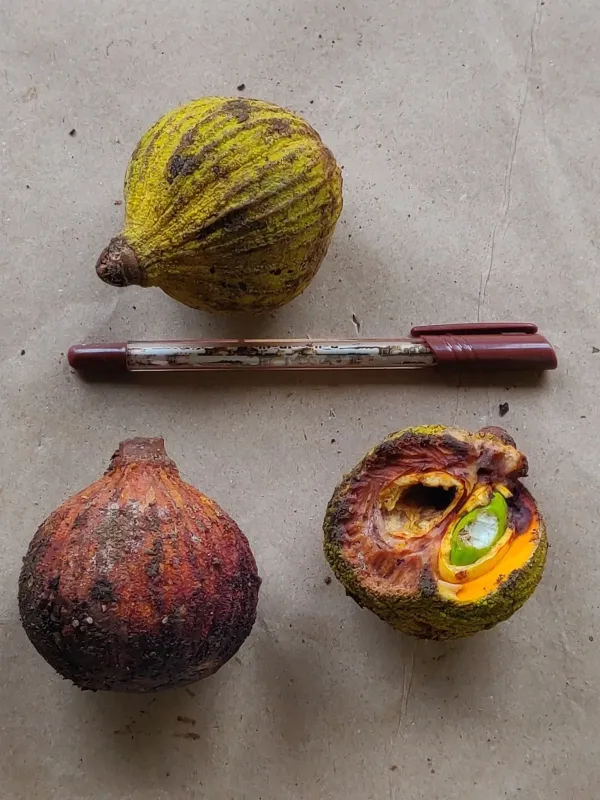
Description
Growing requirements
Dysoxylum malabaricum is a significant tree species belonging to the Meliaceae family. Renowned for its high-quality timber, it is a key component of the evergreen tropical forests found in the Western Ghats region of India.
The tree thrives in tropical climates characterized by high rainfall and consistently warm temperatures throughout the year. It performs best in ecological zones where the humidity levels remain high, supporting continuous vegetative growth.
Soil requirements for this species include deep, fertile, and well-drained substrates. While the tree is robust once established, it cannot tolerate waterlogged conditions, which inhibit nutrient uptake and lead to root rot during the early stages of development.
Agronomic practices for Dysoxylum malabaricum focus heavily on the establishment phase. Young trees require protection from direct, intense sunlight and regular weed control to prevent competition for essential soil moisture and mineral resources.
The economic value of this culture lies primarily in its timber, which is highly sought after for furniture manufacturing, high-end carpentry, and construction due to its durability and attractive grain patterns. Its role in forest ecosystems is equally vital for ecological stability.
Main diseases and pests
The primary threat to the sustainability of this species is habitat destruction caused by large-scale deforestation. Fragmentation of forest corridors limits the natural spread of the tree, necessitating systematic reforestation efforts using high-quality nursery seedlings.
Various insect pests, specifically leaf-eating larvae and wood-boring beetles, pose a chronic challenge. These pests can significantly reduce the photosynthetic capacity of the tree, leading to stunted growth or increased vulnerability to secondary infections.
Fungal pathogens represent another significant risk, particularly in areas with poor airflow and high humidity. These infections can affect the bark and inner wood, compromising the quality of the timber if not managed through proper forest sanitation.
Seed predation by rodents and various birds significantly hinders natural regeneration. Agronomists often employ protective measures to ensure that a sufficient number of seeds survive to germinate in controlled nurseries before they are planted in natural environments.
Rising temperatures and irregular rainfall patterns associated with global climate change are emerging as major threats. Providing adaptive management strategies, such as soil moisture monitoring and periodic irrigation for saplings, is essential for current agricultural success.