
Dysoxylum macrocarpum
Dysoxylum macrocarpum
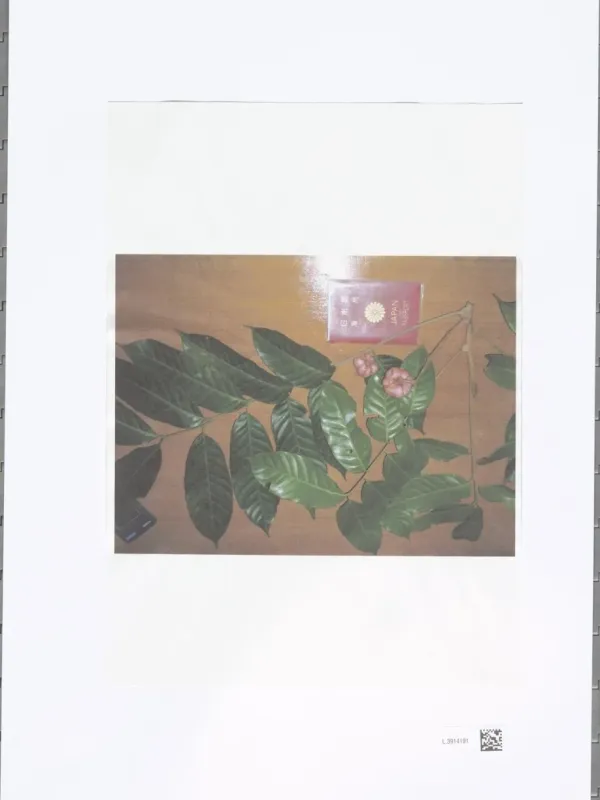
Description
Growing requirements
Dysoxylum macrocarpum is a significant tropical timber tree belonging to the Meliaceae family. Renowned for its structural wood quality, this species is typically found in the dense, evergreen rainforests of Southeast Asia.
The tree thrives in deep, fertile, and well-drained soils, typically loamy or clay-based. Maintaining proper soil drainage is essential for this species, as stagnant water significantly inhibits growth and increases the risk of root pathogens.
Climatically, this species requires a hot and humid environment without extreme seasonal fluctuations. It is intolerant of frost or cold winds, making its cultivation suitable only for strictly tropical climates where temperatures remain consistently above +20°C.
Adequate water availability is crucial, especially during the establishment phase. While mature trees demonstrate moderate tolerance to brief dry spells, irrigation systems are often installed in commercial plantations to ensure optimal height and diameter growth.
Beyond its timber utility, Dysoxylum macrocarpum contributes to the local ecosystem by providing shade and habitat for numerous forest species. Its wood is highly valued for construction, decorative joinery, and durable furniture manufacturing.
Main diseases and pests
The health of Dysoxylum macrocarpum plantations is often challenged by fungal infections in the root zone. Root rot, induced by waterlogging, represents the most significant threat to the survival of young saplings.
Leaf-eating insects, including various species of lepidoptera and coleoptera, pose a consistent threat to the canopy. Heavy infestations can lead to reduced photosynthetic capacity and stunted overall growth of the trees.
Boring insects represent a specific danger to mature trees. These pests penetrate the outer bark, creating galleries that can compromise the structural integrity of the timber and invite further secondary fungal attacks.
Integrated Pest Management (IPM) is the recommended approach for maintaining healthy stands. This involves monitoring pest populations and encouraging natural predators within the forest environment to balance the ecosystem.
Proper thinning of plantations is a primary preventive measure against disease. By ensuring adequate airflow and light penetration, growers can significantly reduce the moisture-dependent proliferation of harmful fungal spores.