
Dysoxylum gotadhora
Dysoxylum gotadhora
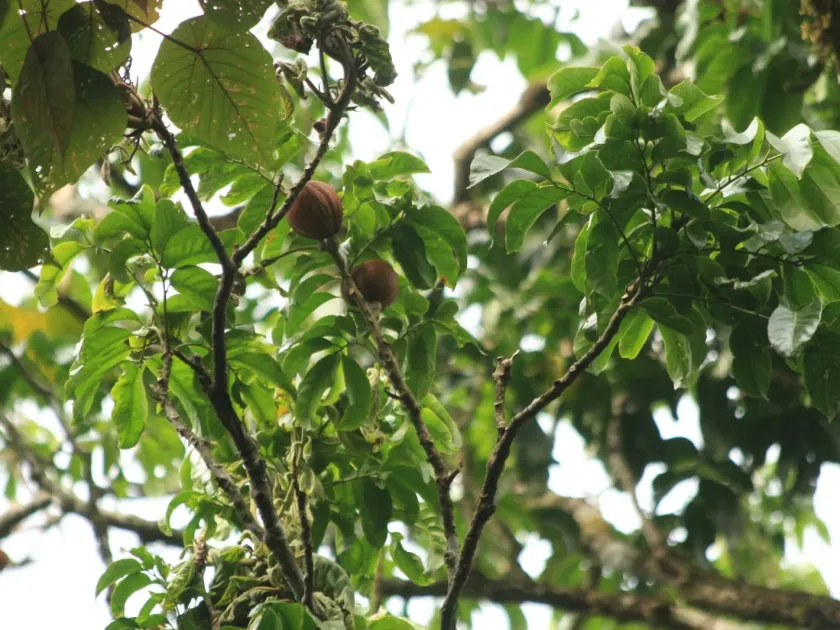
Description
Growing requirements
Dysoxylum gotadhora is an evergreen tree species belonging to the Meliaceae family, widely recognized for its ecological importance in the tropical forests of South Asia. Its botanical architecture is characterized by dense foliage and a robust trunk structure.
The species thrives in tropical climates, preferring regions with consistent rainfall patterns and warm temperatures that support continuous growth cycles throughout the year.
For cultivation, well-draining soils with a rich organic horizon are essential to prevent waterlogging, which the species does not tolerate well. A slightly acidic soil composition is typically optimal for nutrient uptake.
Agricultural practices for this tree involve careful site selection in areas that mimic its natural habitat, ensuring protection from extreme wind and excessive cold, which could stunt young growth.
Proper nursery management is critical during the early stages of development, requiring periodic irrigation and light management to foster healthy seedlings before they are transplanted to their permanent location.
Harvesting
The primary economic focus for Dysoxylum gotadhora is its high-quality timber, which is highly sought after for craftsmanship, furniture making, and architectural design due to its aesthetic appeal and durability.
Harvesting operations are planned to coincide with the physiological maturity of the trees, ensuring that the wood density and grain quality meet industrial standards for fine woodworking.
Post-harvest treatment involves systematic drying processes, usually starting in open air and concluding in kilns, to reach the desired moisture content required for industrial applications.
Seed collection is a vital part of the silvicultural cycle, carried out by experienced foresters who select high-performing trees to ensure the genetic quality of subsequent generations.
Sustainable harvesting protocols include selective thinning and enrichment planting to maintain the vitality of the forestry ecosystem while providing a consistent yield of raw materials.