
Rose mahogany
Dysoxylum fraserianum
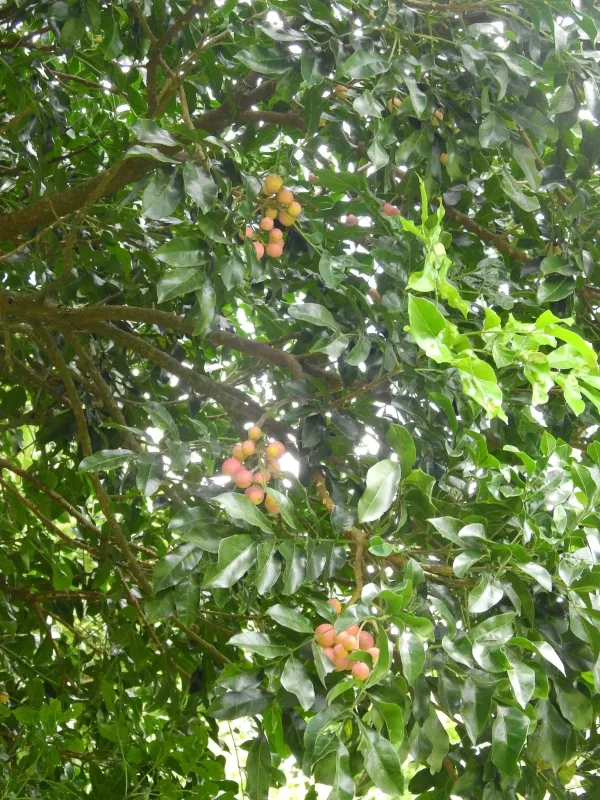
Description
Growing requirements
Dysoxylum fraserianum, commonly known as Rose mahogany, is a large, evergreen tree species belonging to the Meliaceae family.
The tree is native to the coastal rainforests of eastern Australia, thriving in regions that provide consistent rainfall and high humidity.
For successful cultivation, the species requires deep, fertile, and well-draining soils rich in organic matter to support its substantial growth.
Seedlings exhibit a strong preference for shaded nursery conditions during their establishment phase to avoid scorching from direct sunlight.
Proper site preparation is essential, involving deep soil cultivation to ensure that the root system can access nutrients and water without facing compaction issues.
Main diseases and pests
Young plantations are frequently vulnerable to shoot-boring insects which can severely compromise the apical dominance and height growth of the trees.
Root rot, often caused by pathogenic fungi in poorly drained soils, represents a significant threat to tree longevity and overall plantation productivity.
Competition from aggressive vine species and weeds can quickly overwhelm young saplings, necessitates proactive weed management strategies in the early years.
Environmental stressors such as prolonged dry spells can weaken individual trees, predisposing them to secondary infestations by wood-boring pests.
Integrated pest management, including regular health assessments and the removal of infected material, is vital for maintaining healthy stand density.
Harvesting
The primary economic value of Rose mahogany lies in its premium-quality timber, which is highly sought after by craftsmen and the furniture industry.
The wood is characterized by its distinct rose-colored hue, excellent workability, and natural resistance to decay, making it suitable for high-end cabinetry.
Harvesting strategies are typically focused on selective logging practices, ensuring that mature trees are extracted while allowing the younger canopy to thrive.
Post-harvest processing involves careful seasoning, as the timber needs precise moisture content control to prevent warping and internal stress during manufacturing.
Sustainable forest management practices are strictly applied to ensure that harvest yields remain consistent while preserving the biodiversity of the native habitat.