
Dysoxylum excelsum
Dysoxylum excelsum
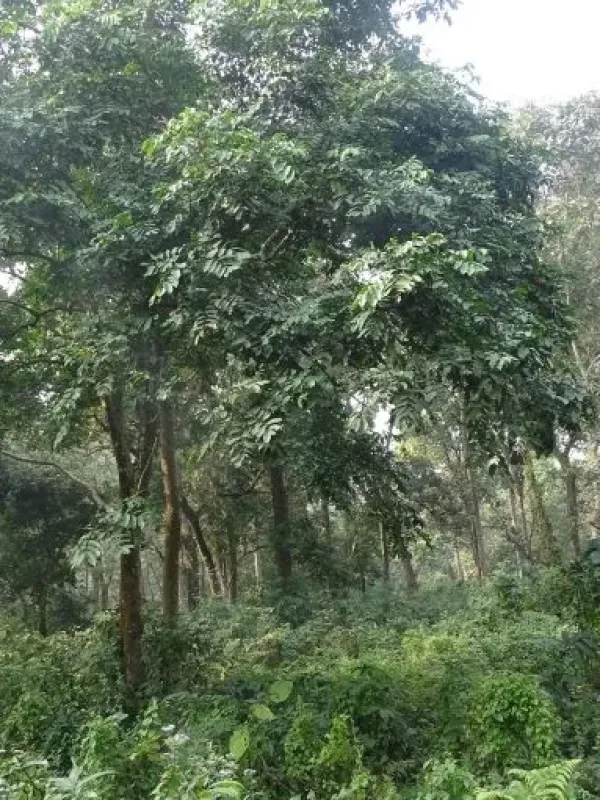
Description
Growing requirements
Dysoxylum excelsum belongs to the Meliaceae family, a group of plants known for their high-quality timber and ornamental value in tropical regions. This tree species is native to humid forest ecosystems where it forms a significant part of the canopy.
The cultivation of this species strictly requires a tropical environment. It thrives in regions with consistently high temperatures and abundant rainfall throughout the year, as it lacks the physiological mechanisms to withstand freezing temperatures.
Soil requirements for optimal growth include well-drained, nutrient-rich substrates. The tree prefers deep, loamy soils that can retain adequate moisture while allowing for proper root respiration, which is critical for long-term health.
In terms of light, the tree exhibits a moderate level of shade tolerance in its juvenile stage. This characteristic allows it to successfully integrate into managed plantation systems under the protection of established canopy layers.
Regular maintenance in forest plantations involves monitoring soil moisture and managing competition from faster-growing pioneer species to ensure the apical dominance of the Dysoxylum trees.
Harvesting
The primary economic focus for Dysoxylum excelsum is the production of premium timber. The wood is characterized by its high density, attractive grain, and significant resistance to pests and fungal decay, making it a valuable asset for commercial use.
Harvesting strategies are based on selective logging practices. This ensures that the forest structure remains intact, allowing for natural regeneration and the preservation of biological diversity within the production area.
Applications for the harvested timber include fine furniture craftsmanship, interior paneling, and high-end cabinetry. Its structural integrity ensures that objects crafted from this wood remain durable over many decades.
Following harvest, the wood undergoes controlled kiln drying. This step is essential to reduce moisture content and stabilize the wood, preventing cracking or warping during the final manufacturing phase.
Reforestation is a core component of the harvesting cycle for this species. It is common practice to implement enrichment planting programs, ensuring that for every tree harvested, several new saplings are established in its place.