
Dysoxylum densiflorum
Dysoxylum densiflorum
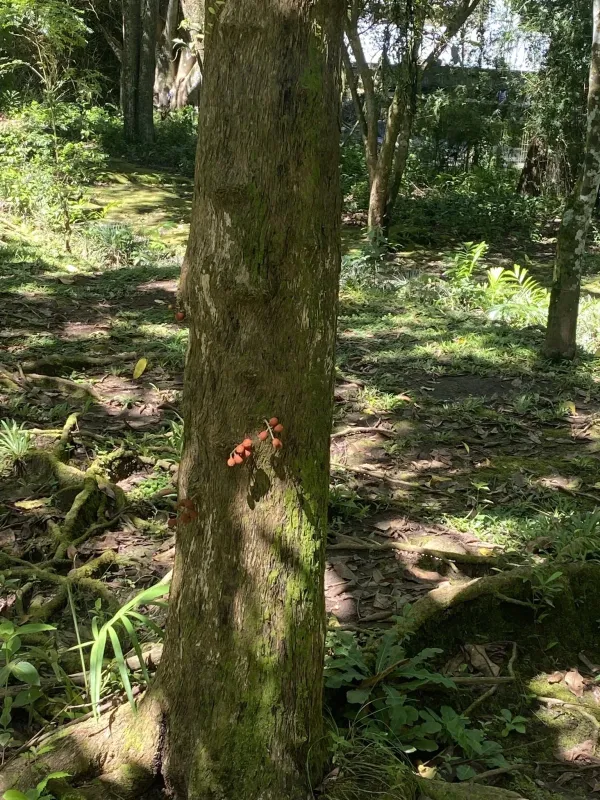
Description
Growing requirements
Dysoxylum densiflorum is a prominent member of the Meliaceae family, native to the tropical forests of Southeast Asia. This species is valued for its biological resilience and the high quality of its wood, which is often utilized in local forestry industries.
The tree thrives in environments characterized by high humidity and consistent tropical temperatures. It requires a stable climate without drastic seasonal changes, as it is highly sensitive to thermal stress, especially during the early stages of its development.
Soil requirements for optimal growth involve well-drained, nutrient-rich substrates, preferably deep loams. The plant cannot tolerate waterlogged soils, which may cause root system degradation and hinder overall development.
Regarding silvicultural practices, this species requires a methodical approach to spacing to allow for proper crown development. It is often grown as part of mixed-species plantations to emulate natural forest conditions and improve soil health.
The economic value of this crop is primarily driven by its timber, which is robust and aesthetically pleasing. Proper management during the growth phase is essential to maximize the straightness of the trunk and the quality of the wood harvest.
Main diseases and pests
Fungal pathogens represent a primary concern for Dysoxylum densiflorum, especially in areas where stagnant air and high humidity prevail. These pathogens can cause significant damage to the foliage and younger branches.
Timber-boring insects present a persistent threat in tropical forestry settings. These pests penetrate the bark and internal wood layers, which can lead to significant economic losses if not managed with proper pest control protocols.
Root rot, often caused by Phytophthora species, can develop if the planting site lacks proper drainage. This is often the most critical health issue for young saplings in nursery conditions.
Competition from aggressive native vines and creepers can easily overwhelm young plants. Regular clearing of the surrounding vegetation is a necessary agrotechnical requirement to ensure the tree receives adequate sunlight and nutrients.
Monitoring for signs of infestation is crucial. Integrated pest management strategies, such as physical removal of pests and targeted use of organic fungicides, are recommended to maintain a healthy stand of trees.