
Dysoxylum cyrtobotryum
Dysoxylum cyrtobotryum
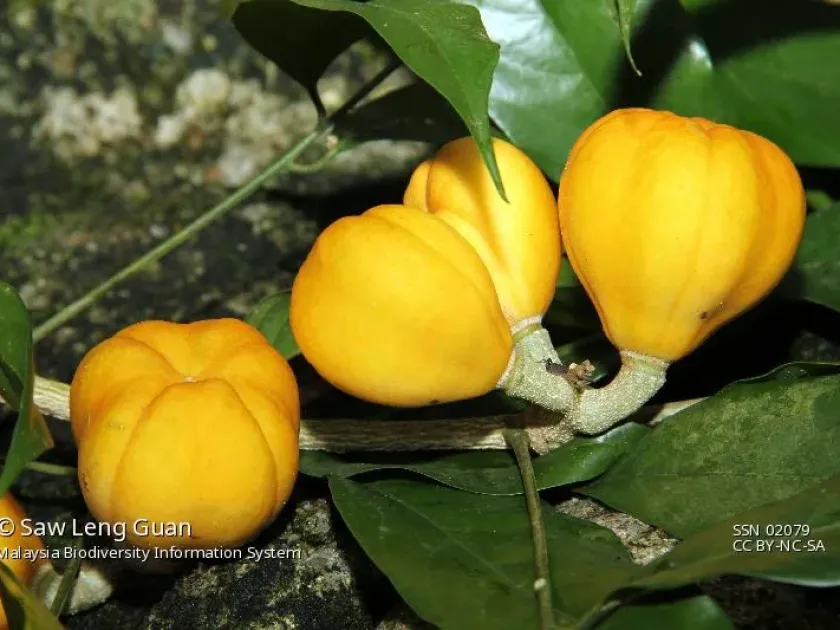
Description
Growing requirements
Dysoxylum cyrtobotryum is an evergreen tree belonging to the Meliaceae family. It is native to the tropical rainforests of Southeast Asia, where it plays a significant role in the local forest architecture.
The species thrives in areas with consistent tropical temperatures and high annual rainfall. It requires deep, fertile, and well-drained soils to establish its root system and maintain steady vegetative growth.
Botanically, this tree is characterized by its complex pinnate leaves and cauliflorous inflorescences, where flowers emerge directly from the trunk. This trait is common among various tropical members of the mahogany family.
In terms of agricultural and forestry use, the tree is managed primarily for its wood. The timber is appreciated for its durability and moderate hardness, making it suitable for various carpentry and furniture-making applications.
Success in cultivating this species depends on mimicking its natural understory environment during the early stages of development, providing shade and protection from extreme solar radiation.
Main diseases and pests
The primary biological threats to Dysoxylum cyrtobotryum include various wood-boring insects and leaf-feeding larvae. These pests can cause significant damage if the tree is under physiological stress.
Fungal pathogens pose a risk, particularly in high-humidity conditions where poor air circulation exists. Such environments can promote the rapid spread of infections across young saplings.
Invasive plant species can quickly outcompete young individuals for nutrients and sunlight. Implementing strict weed control programs is essential for the survival and development of the plantation.
Soil-borne pathogens may affect the root system if drainage is inadequate. Ensuring that the planting site has optimal soil porosity is a preventative measure against root decay.
Integrated pest management strategies should be applied to monitor for early signs of infestations. Maintaining the health of the ecosystem is key to reducing the impact of these threats.