
Dracophyllum uniflorum
Dracophyllum uniflorum
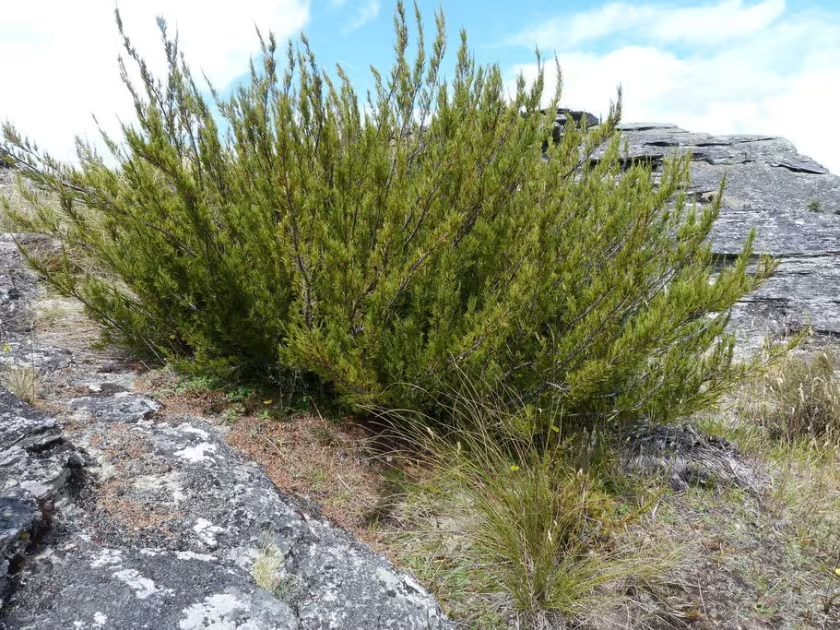
Description
Growing requirements
Dracophyllum uniflorum is a slow-growing evergreen shrub belonging to the Ericaceae family, native to the alpine and subalpine regions of New Zealand. It is highly regarded by collectors for its distinctive, needle-like foliage and neat appearance.
Cultivation of this species requires strict adherence to environmental conditions typical of its high-altitude habitat. It demands cool air temperatures and excellent ventilation, making it challenging to grow in lowland regions with hot summers.
The substrate must be acidic, well-draining, and rich in organic matter, such as leaf mold or sphagnum peat. It is essential to ensure that the root system never sits in stagnant water, as this leads to rapid plant decline.
Light levels should be bright but filtered. In many temperate regions, partial shade during the peak of the afternoon is recommended to prevent the root zone from overheating, which is often fatal for high-altitude ericaceous plants.
Container cultivation is a common practice for this species, allowing growers to provide precise control over soil mix and moisture levels, which is often difficult to achieve in open ground conditions.
Main diseases and pests
The most significant threat to Dracophyllum uniflorum is root rot, typically caused by Pythium or Phytophthora fungi. These pathogens thrive in waterlogged soils with poor oxygen circulation.
Fungal leaf spots can occur if the humidity levels are too high and airflow is restricted. Proper spacing between plants and the use of a clean growing environment are effective preventative measures.
Root-knot nematodes can weaken the plant by damaging the root system, causing it to become susceptible to opportunistic pathogens that exploit the weakened state of the shrub.
During extended periods of dry weather, spider mites may become a localized problem. These pests are best managed by increasing local humidity and using horticultural soaps if an infestation is detected early.
Overall plant health is best maintained through consistent monitoring of soil moisture and the avoidance of chemical fertilizers that could cause salt burn to the sensitive root system.