
Dracophyllum longifolium
Dracophyllum longifolium
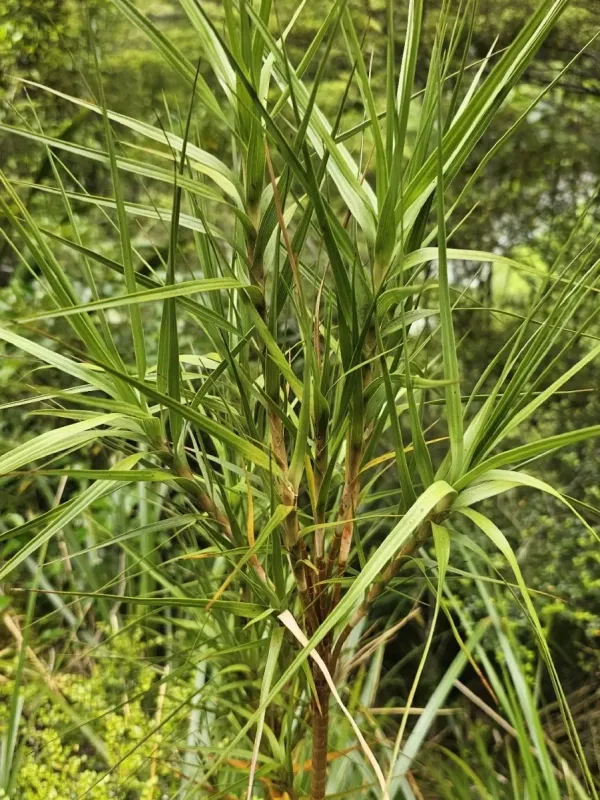
Description
Growing requirements
Dracophyllum longifolium, commonly known as inaka, is a distinct evergreen shrub or small tree belonging to the Ericaceae family. It is native to New Zealand, primarily found in subalpine to coastal habitats.
Botanically, this species is defined by its long, grass-like leaves that form dense, rosette-like clusters at the ends of branches. This unique morphology is an evolutionary adaptation to the harsh, windy environments of its native range.
Cultivation success depends heavily on replicating its natural environmental conditions. The soil must be acidic, well-draining, and rich in organic matter, such as peat or pine needles, to maintain a low pH level.
Climate requirements include a preference for cool, moist conditions. It does not tolerate prolonged periods of high heat or extreme drought, making it an ideal candidate for temperate maritime climates or specialized conservatory collections.
This plant is primarily used as an ornamental feature in garden landscaping. Its structural form and fine-textured foliage make it a sophisticated addition to native plant collections or contemporary rock gardens.
Main diseases and pests
The most common threats to Dracophyllum longifolium are root pathogens, specifically Phytophthora, which thrive in poorly drained or waterlogged substrates. Proper soil structure is the best preventative measure.
In terms of pests, spider mites can be a significant issue in indoor or greenhouse settings. These pests suck the sap from the foliage, leading to yellowing and stunted growth if not managed promptly.
Poor airflow can exacerbate fungal infections such as botrytis, particularly during humid seasons. Ensuring adequate spacing between individual plants and pruning dead wood are essential practices for maintaining plant health.
Sensitivity to chemical fertilisers is a key management aspect. Over-fertilisation, especially with high-phosphorus mixes, can easily damage the sensitive root system and disrupt the plant's natural growth cycle.
Gardeners should monitor for signs of chlorosis, which often indicates an incorrect pH level in the soil. Testing the soil regularly ensures that the nutrient uptake remains within the optimal range for this ericaceous species.