
Dracophyllum subulatum
Dracophyllum subulatum
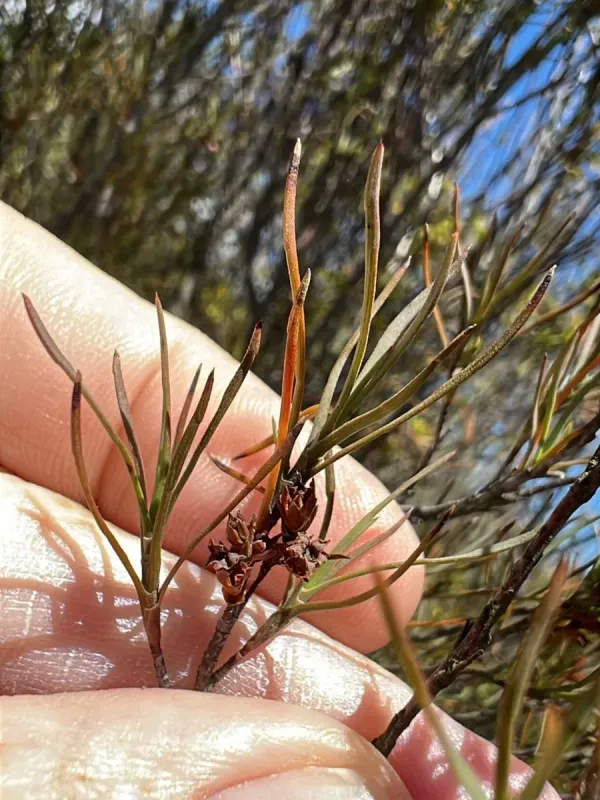
Description
Growing requirements
Dracophyllum subulatum belongs to the Ericaceae family and is a distinctive evergreen shrub native to the North Island of New Zealand. In its natural habitat, it thrives in subalpine heathlands, showing remarkable resilience in exposed and harsh environments.
The plant is characterized by its stiff, needle-like foliage arranged in dense rosettes, which gives it a grass-like or coniferous appearance. This adaptation allows the shrub to withstand the intense winds and high light levels typical of its native mountain range.
Cultivation requires specialized conditions including acidic, well-draining, and nutrient-poor soil. The plant is highly sensitive to root disturbance and waterlogging, making proper drainage the most critical factor for its long-term survival in garden settings.
It prefers a cool, humid climate and struggles in regions with high temperatures or arid air. Successful growth in cultivation usually involves positioning the plant in areas with partial shade and protection from the hottest afternoon sun to prevent dehydration.
Agricultural management should focus on consistent moisture control and mulching with acidic organic matter. Fertilization must be carefully managed or avoided entirely, as the species has evolved to function in soils with very low phosphorus levels.
Main diseases and pests
The primary threats to Dracophyllum subulatum are soil-borne fungal pathogens, particularly Phytophthora species, which thrive when the soil drainage is compromised.
Root rot often leads to rapid decline, as the plant's rigid structure may hide signs of distress until the root system has already suffered significant damage.
Insect pests such as spider mites can infest the dense leaf clusters during periods of low humidity, causing premature foliage drop and general loss of vitality.
Regular inspection for signs of chlorosis or leaf tip necrosis is necessary to ensure the plant remains in an optimal physiological state throughout the growing season.
Environmental stress, specifically heat waves or prolonged drought, increases the plant's susceptibility to secondary infections by opportunistically attacking fungi.