
Dracophyllum traversii
Dracophyllum traversii
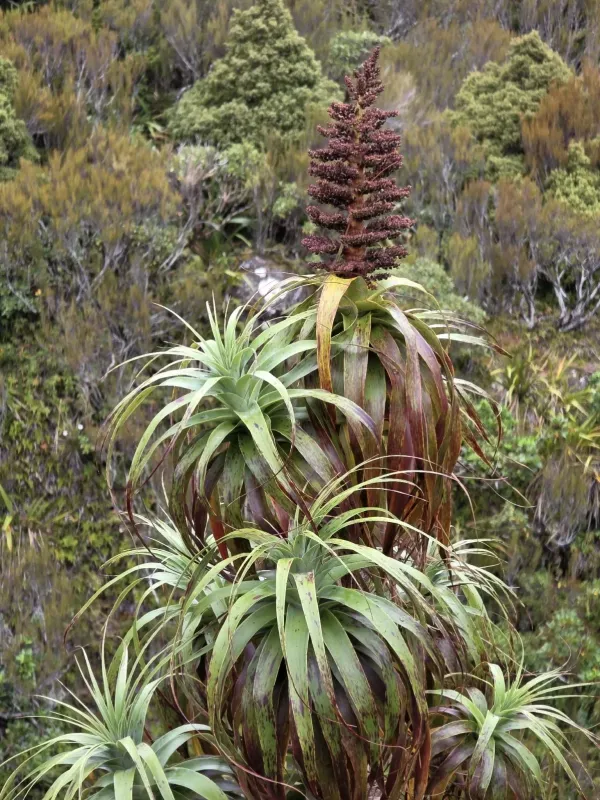
Description
Growing requirements
Dracophyllum traversii is a distinguished member of the Ericaceae family, native to the mountainous regions of New Zealand's South Island. Often referred to as a "grass tree," it occupies a specific ecological niche in subalpine forest ecosystems.
Successful cultivation of this species requires a climate that mimics its alpine origins: cool temperatures, high atmospheric humidity, and protection from drying winds. It is generally unsuitable for regions with hot, arid, or Mediterranean-style summer climates.
The plant strictly requires acidic, well-draining soils with high organic matter content. Maintaining a pH balance between 5.0 and 6.0 is essential to ensure nutrient uptake and avoid the physiological stresses associated with alkaline conditions.
Botanically, it is a slow-growing evergreen shrub or small tree. Its hallmark features include long, rigid, strap-like leaves clustered in rosettes at the ends of branches, which can exhibit distinct bronze or reddish hues under specific light conditions.
Standard agronomic practices involve maintaining consistent soil moisture without allowing water to pool. Periodic mulching with pine needles or similar acidic organic material helps to protect surface roots and maintain the necessary soil acidity levels.
Main diseases and pests
The primary health concerns for Dracophyllum traversii involve root rot pathogens, specifically those triggered by poor drainage or excessive soil moisture levels. Proper site selection and soil structure are the most effective preventive measures against these threats.