
Didymodon glaucus
Didymodon glaucus
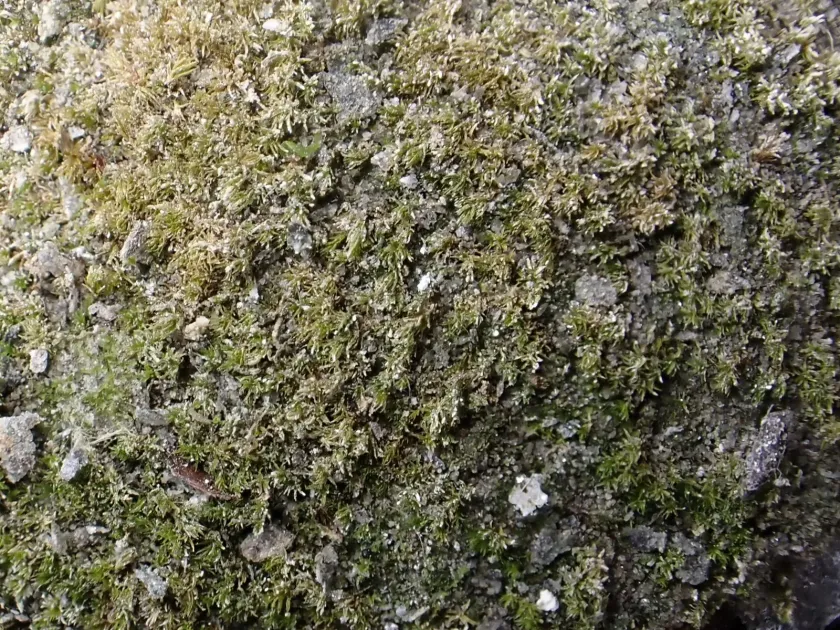
Description
Growing requirements
Didymodon glaucus is a perennial moss species belonging to the Pottiaceae family. It is typically found in diverse ecological niches, ranging from rocky outcrops to disturbed agricultural fields, where it acts as a pioneer species in soil development.
The botanical structure of the moss is characterized by a compact growth habit, which provides excellent protection against surface erosion. Its leaves possess specific cellular adaptations that allow the plant to tolerate prolonged periods of desiccation and high light intensity.
In terms of cultivation requirements, this species thrives in well-drained, mineral-rich environments. Unlike traditional crops, it does not require significant fertilization, as it primarily relies on atmospheric deposition and mineral uptake from its immediate substrate.
The moisture regime is critical for its establishment, particularly in the initial phases of colonization. Consistent light irrigation is necessary in greenhouse or nursery settings to ensure the rapid expansion of the moss mats before they become established in field conditions.
The primary agricultural and environmental use of Didymodon glaucus is in the field of bioremediation and soil stabilization. By forming dense carpets, it reduces the impact of kinetic energy from rainfall, thereby preserving topsoil integrity in sensitive landscapes.