
Pink Deutzia
Deutzia x rosea (Lemoine) Rehder
Description
Growing requirements
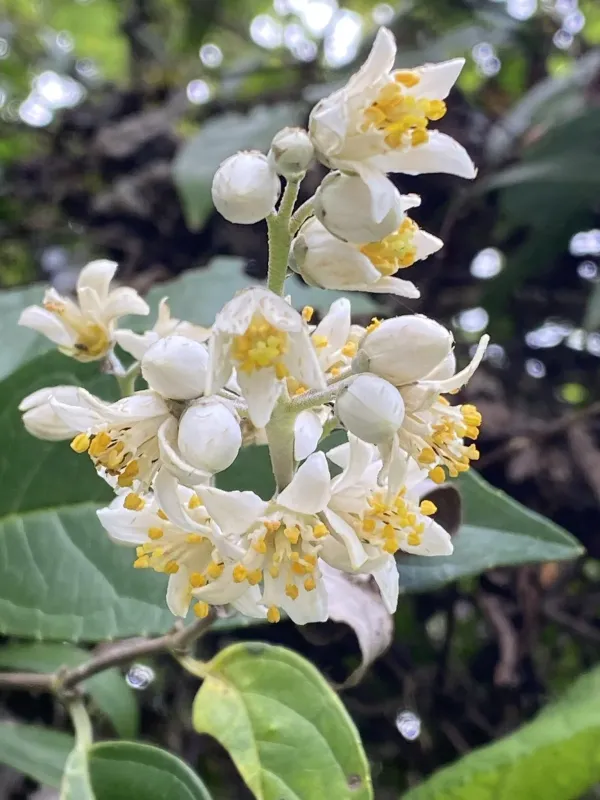
Pink Deutzia (Deutzia x rosea) is a hybrid ornamental deciduous shrub belonging to the Hydrangeaceae family. It is a well-regarded cross-breed known for its abundant cluster-flowering habit, derived from D. gracilis and D. purpurascens.
The plant thrives in full sun to partial shade, requiring a location that provides protection from harsh winds. Ideal soil conditions include fertile, well-drained loamy soils, as the root system is susceptible to decay if exposed to persistent waterlogging.
A fundamental aspect of cultivation involves regular irrigation during the summer months to ensure soil moisture, especially during the bud-setting phase. Organic mulch is recommended around the base to retain moisture and improve soil structure over time.
Pruning is essential for maintaining the shrub's shape and vigor. Gardeners should perform light pruning immediately after the plant has finished flowering, removing dead wood and thinning out crowded branches to facilitate airflow through the center of the plant.
While relatively hardy, Pink Deutzia benefits from winter protection in colder climates. Applying a thick layer of mulch or wrapping the stems can protect the delicate flower buds from late spring frost damage, ensuring a successful display of blossoms.
Main diseases and pests
The primary pest affecting this species is the aphid, which tends to congregate on the soft, growing tips of the shoots. Standard horticultural oils or mild insecticidal soaps are usually sufficient to manage these populations effectively.
Powdery mildew represents the most frequent fungal threat, particularly in humid or stagnant air conditions. Proper spacing and thinning of branches are the most effective preventive measures to minimize the risk of infection.
Leaf spot pathogens may occur during excessively wet seasons. Affected foliage should be removed promptly to prevent the spread of spores, and plants should be kept healthy through balanced fertilization and proper hydration.
While largely resistant to significant structural damage from pests, occasional beetle activity on the foliage may require monitoring. Inspecting the undersides of leaves during the spring flush is a recommended practice for early detection.
Overall, maintaining a robust plant through consistent cultural practices—such as proper sunlight exposure and feeding—significantly lowers the susceptibility of Pink Deutzia to the common ailments of ornamental shrubs.