
Deutzia purpurascens
Deutzia purpurascens (Franch. ex L. Henry) Rehd.
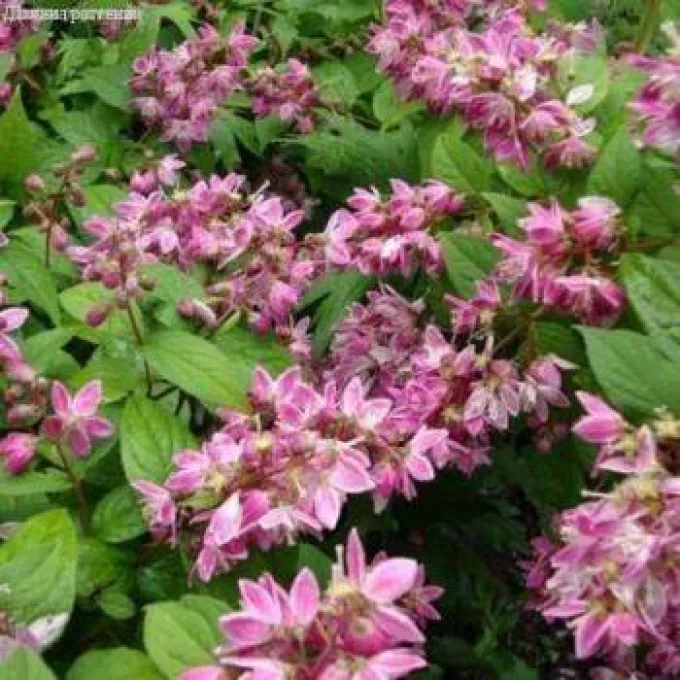
Description
Growing requirements
Deutzia purpurascens is a deciduous ornamental shrub belonging to the Hydrangeaceae family. Native to the mountainous regions of Southwest China, this plant thrives in environments that offer moderate humidity and protection from harsh elements.
Successful cultivation requires fertile, well-drained soil with a neutral to slightly alkaline pH. The plant performs best when the substrate is rich in organic matter, which supports vigorous growth and ensures adequate nutrient uptake throughout the growing season.
The species prefers sunny locations but benefits from partial shade during the hottest parts of the day in warmer climates. Providing shelter from strong, drying winds is crucial, as exposed sites can cause premature damage to delicate foliage and flower buds.
Routine maintenance includes consistent watering during dry spells and applying mulch around the root zone. Mulching helps maintain stable soil temperature and moisture, which is essential for the plant's long-term health and seasonal performance.
In landscaping, this shrub is highly valued for its striking purple-tinged flowers. It is widely used in borders, as a background plant in mixed shrubbery, or as a specimen plant to add color and texture to the garden layout.
Main diseases and pests
Common pests affecting Deutzia purpurascens include aphids and spider mites, which can infest new growth and undersides of leaves during hot, dry summer months. Regular monitoring is necessary to keep infestations under control.
Fungal issues, particularly powdery mildew and leaf spot, may appear if the shrub is planted in areas with poor air circulation or excessive overhead moisture. Ensuring correct spacing between plants is a primary preventative measure.
To treat severe pest or fungal outbreaks, specialized insecticides or fungicides should be applied according to the manufacturer's instructions. Always aim to treat plants before the flowering period to avoid disrupting local pollinators.
Sanitary pruning is a critical component of pest management. Removing dead, diseased, or overcrowded branches improves airflow within the shrub's canopy, thereby reducing the likelihood of fungal colonization and pest harborages.
Maintaining high plant vigor through proper fertilization and appropriate irrigation helps the shrub build natural resistance to common diseases, ensuring a healthy and aesthetically pleasing display each year.