
Daubenya zeyheri
Daubenya zeyheri
Description
Growing requirements
Daubenya zeyheri is a rare bulbous species belonging to the Asparagaceae family, native to the arid regions of the Cape Province in South Africa. As a geophyte, it is perfectly adapted to a Mediterranean-type climate characterized by winter rainfall and summer drought.
Cultivating this plant requires well-draining, sandy soil that mimics its native habitat. It is essential to avoid heavy, moisture-retentive composts, which can lead to the rapid rot of the bulbs, especially during the dormant season.
The plant thrives under bright, full sun conditions during its active growing season. Without sufficient light intensity, Daubenya zeyheri will fail to bloom, and the foliage will become leggy, losing the plant's characteristic compact habit.
Proper care involves strict adherence to seasonal watering cycles. Water should only be provided during the cooler months when the plant is actively producing foliage. As the leaves begin to yellow in late spring, irrigation must be completely withheld.
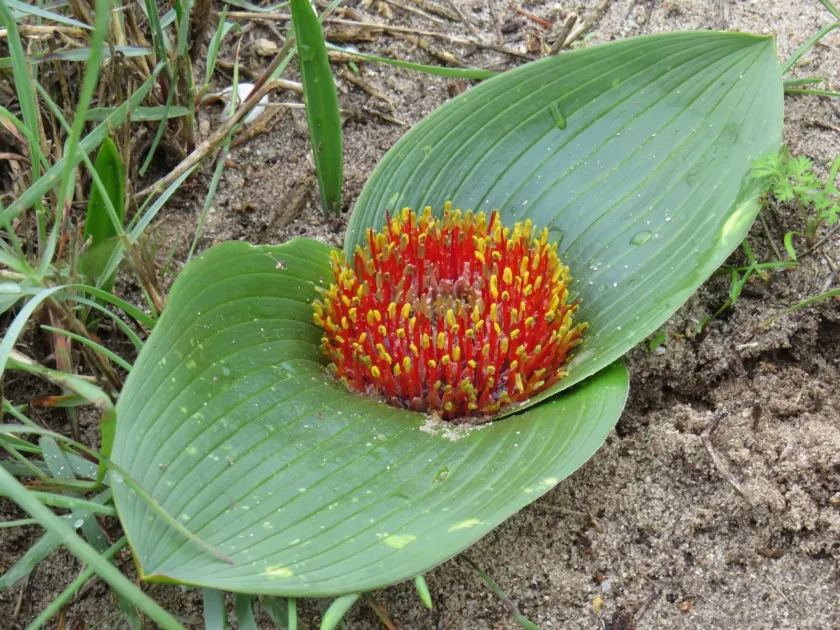
Botanically, the plant is distinguished by its nearly sessile inflorescence, where the flowers appear to sit directly on top of the leaves. This unique feature makes it a highly prized specimen for specialized bulb collections and botanical displays.
Main diseases and pests
The primary threat to Daubenya zeyheri is fungal infection caused by damp conditions. Botrytis and various bulb rots occur frequently if the substrate remains wet for extended periods or if air circulation is inadequate.
Pests such as red spider mites can become an issue in dry, poorly ventilated greenhouse environments. Regular misting or monitoring for early signs of infestation can help maintain plant health throughout the growing season.
Root-knot nematodes pose a significant risk, particularly in soil that has not been properly sterilized. These pests can severely weaken the bulb, leading to stunted growth and failure to flower in subsequent years.
Preventative care involves ensuring excellent drainage and selecting healthy bulbs for planting. It is advisable to inspect the base of the bulbs before planting to ensure they are firm and free from any signs of decay or mechanical damage.
Due to the sensitivity of the species to environmental fluctuations, it is best suited for controlled greenhouse environments or alpine houses where moisture and temperature can be meticulously regulated by the grower.