
Daubenya stylosa
Daubenya stylosa
Description
Growing requirements
Daubenya stylosa is a fascinating and rare bulbous species belonging to the Asparagaceae family. Originating from the winter-rainfall regions of the Cape in South Africa, it is a specialized geophyte adapted to extreme seasonal cycles.
The plant requires very specific environmental conditions to thrive. It needs bright, direct light and a highly porous, gritty substrate that ensures excellent drainage. Any moisture accumulation around the bulb during its dormant summer phase is strictly prohibited to prevent fungal decay.
Cultivation practices focus on simulating the Mediterranean climate of its origin. During the active growth period, which corresponds to the cooler winter months, the plant requires moderate watering and cool temperatures. Once the foliage begins to wither, all irrigation must cease until the next growing season.
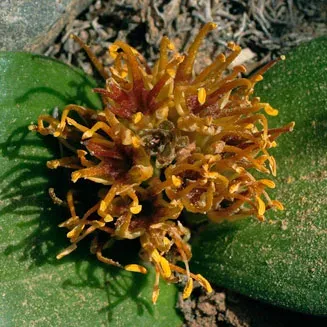
Botanically, Daubenya stylosa is characterized by its prostrate leaves that lie flat against the ground, conserving moisture and heat. The inflorescence is a dense cluster of tubular flowers, often featuring prominent, colorful stamens that provide a unique visual impact.
While not a traditional agricultural crop, it is highly valued in the horticultural trade as a botanical rarity. Collectors seek out this species for its distinct morphology and the challenge it presents in mimicking its natural habitat within a domestic or greenhouse setting.
Main diseases and pests
The most significant threat to the survival of Daubenya stylosa is bulb rot, which is almost always caused by overwatering or poor drainage during the dormant summer cycle.
Pests such as mealybugs can infest the base of the leaves and the neck of the bulb, especially in greenhouse conditions where air circulation might be insufficient.
Root aphids pose a constant danger to the health of the bulb, often going unnoticed until the plant shows visible signs of decline or yellowing of the foliage.
Fungal infections, particularly Fusarium species, can attack the roots if the substrate becomes contaminated or overly organic, necessitating the use of specialized sterilized mineral mixes.
Proper hygiene, such as using sterile pots and high-quality mineral grit, is the primary defense strategy for any grower attempting to maintain a healthy collection of these rare geophytes.