
Daubenya aurea
Daubenya aurea
Description
Growing requirements
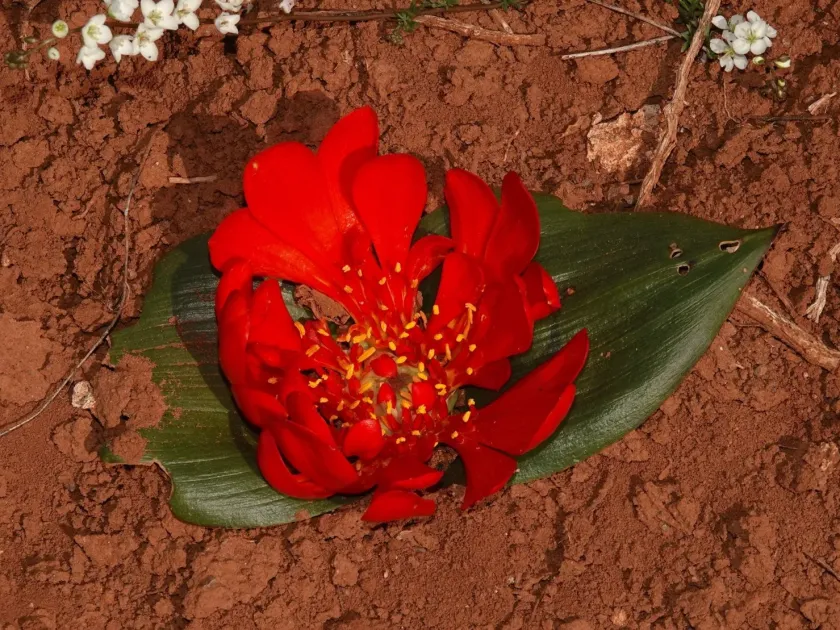
Daubenya aurea is a fascinating bulbous species belonging to the Asparagaceae family. It is native to the arid Karoo region of South Africa, where it has evolved to survive in extreme, low-rainfall environments.
The plant is prized for its unique, compact floral display featuring vibrant golden-yellow flowers that emerge at ground level. Due to its limited natural habitat, it is classified as a collector's item among ornamental horticulturalists.
Successful cultivation requires mimicry of its natural cycle: a cool, moist growing season followed by a hot, bone-dry dormant phase. Irrigation must be strictly withheld during the summer dormancy to prevent premature rotting of the bulb.
Soil requirements are non-negotiable: a highly porous, well-draining mineral substrate is essential. Organic matter should be kept to a minimum to avoid excessive moisture retention, which is the primary cause of plant failure in non-native climates.
Regarding environmental control, this species requires high light intensity and good ventilation. It thrives in containers where moisture levels can be manually regulated, making it a challenging but rewarding subject for specialized greenhouse management.
Main diseases and pests
The primary threats to Daubenya aurea are fungal pathogens, specifically those causing basal rot and bulb rot. These are almost exclusively associated with improper watering schedules or poorly drained substrates.
Pests such as mealybugs and spider mites may occur in protected greenhouse environments. Regular inspection of the basal foliage is necessary to detect early infestations before they compromise the health of the bulb.
Protection from high humidity is vital. In stagnant air conditions, the plant is susceptible to various mildews and mold infections that can rapidly spread throughout the collection of bulbs.
Maintaining a clean, sterile growing environment is recommended for commercial or hobbyist propagation. Using sterilized pots and fresh, pathogen-free sand-based soil mixes significantly reduces the risk of soil-borne diseases.
In addition to pests, rodents may pose a threat to the bulbs if left unattended in outdoor environments. Proper greenhouse or raised bed security is necessary to ensure the survival of the planting stock throughout the dormant cycle.