
Daubenya marginata
Daubenya marginata
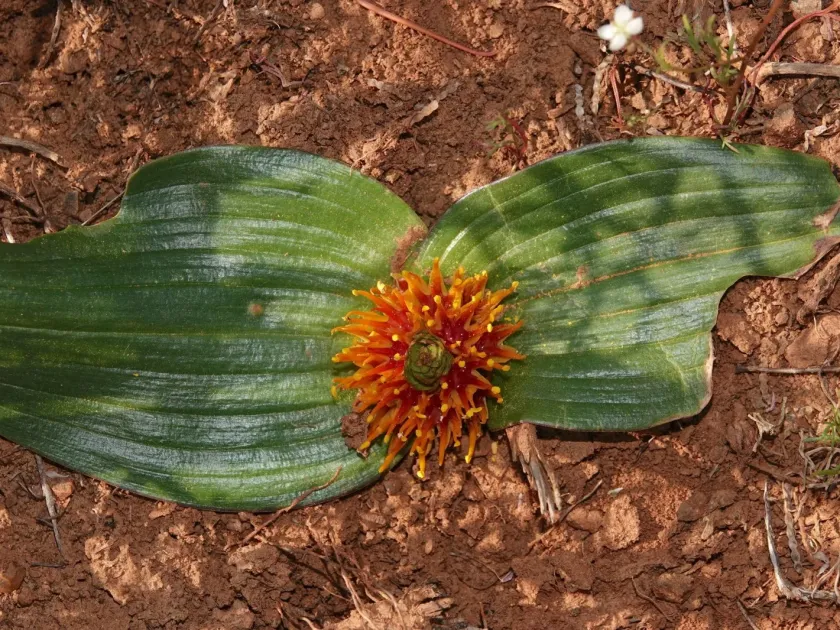
Description
Growing requirements
Daubenya marginata is a highly specialized bulbous geophyte belonging to the family Asparagaceae. Native to the arid regions of the Cape Province in South Africa, it has evolved to survive in extreme, seasonal environments.
The plant features small, broad leaves that spread across the ground, and dense, showy inflorescences that appear during the favorable moisture season. These biological traits are adaptations to maximize sunlight capture in open, sun-drenched habitats.
Cultivation requirements for this species are strict, focusing primarily on replicating the Mediterranean-like climate of its origin. A high-quality, free-draining sandy substrate is essential to allow for rapid water movement away from the bulb.
During the growing season, consistent light is mandatory for healthy development. The dormancy cycle is equally critical; in summer, the bulbs must be kept completely dry to prevent rot and to induce the hormonal changes needed for future flowering.
Daubenya marginata is mainly grown by specialist collectors and botanical enthusiasts who appreciate its rarity and unique appearance. It is an excellent specimen for those experienced in managing winter-growing South African bulbs.
Main diseases and pests
The most significant threat to the survival of Daubenya marginata in a cultivated setting is fungal rot resulting from poor drainage. Excess water during the dormant stage leads rapidly to decay of the bulb basal plate.
Pests that commonly infest this plant include spider mites, which can proliferate quickly in the dry indoor air where these plants are typically held. They cause stippling and eventual chlorosis of the foliage.
Mealybugs are another potential pest, particularly congregating at the neck of the bulb. Regular monitoring is advised, as their presence can weaken the plant and attract secondary bacterial infections.
Integrated pest management, including the use of systemic insecticides or neem oil, can effectively control these threats. Proper airflow management is the best preventative measure against most fungal and mite-related issues.
In its native range, the species is protected by the arid conditions of the Karoo. In human care, maintaining the balance between moisture and drainage remains the most challenging aspect of its overall health.