
Western marsh orchid
Dactylorhiza majalis
Description
Growing requirements
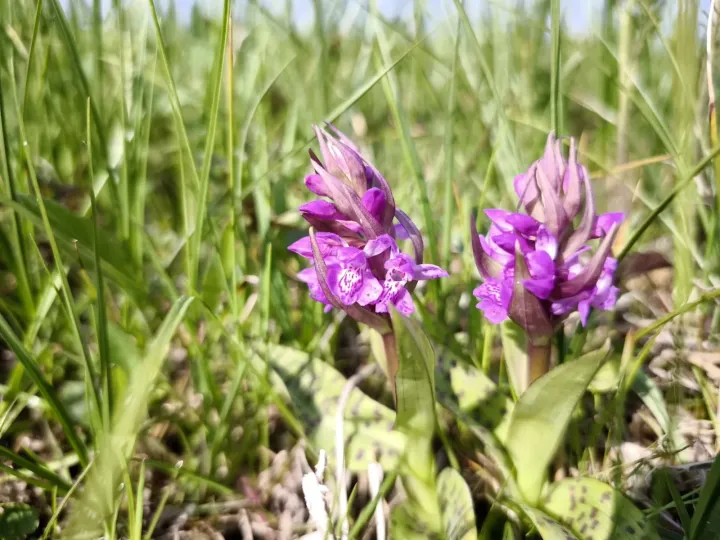
The Western marsh orchid (Dactylorhiza majalis) is a member of the Orchidaceae family, recognized for its distinct palmate-lobed tubers. This perennial plant is indigenous to Europe, typically inhabiting damp meadows, fens, and wetland peripheries where moisture is consistent throughout the year.
To cultivate this species successfully, one must provide a soil environment that is rich in humus and consistently moist. The plant thrives in neutral to slightly acidic soil conditions and requires a high water table to maintain its physiological functions without interruption.
Climate preferences for the orchid include stable, moderate temperatures and high atmospheric humidity. While the species is photophilous, it requires protection from harsh midday sunlight in agricultural settings to avoid transpiration stress and leaf scorch.
A unique agricultural constraint is the plant's obligate relationship with mycorrhizal fungi. Natural propagation and development are heavily dependent on these soil fungi, making the cultivation of this orchid a complex task that requires specialized knowledge of its symbiosis.
The primary economic application of the species is the harvest of its tubers to produce salep. This fine powder, rich in mucilage and starch, is historically and currently utilized in medicinal and culinary preparations due to its soothing and nutritive properties.
Main diseases and pests
The crop is highly susceptible to root and tuber rot, which is often exacerbated by poor drainage and excessive stagnant water. Maintaining a balanced soil ecosystem is vital to preventing pathogenic fungal outbreaks that can wipe out entire plots.
Pests such as aphids and thrips pose a significant risk to the developing flower spikes and leaves, reducing overall plant vigor. Additionally, slugs and snails are problematic grazers that frequently feed on the succulent shoots, requiring active management to minimize damage.