
Cyclocarya paliurus
Cyclocarya paliurus
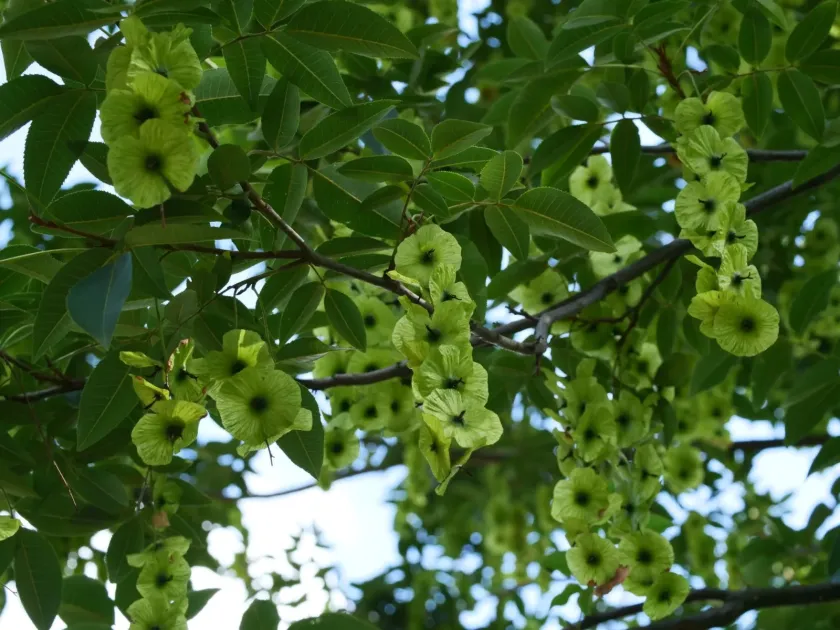
Description
Growing requirements
Cyclocarya paliurus, commonly known as the sweet tea tree, is a deciduous tree belonging to the Juglandaceae family. Native to the mountainous regions of subtropical China, it is highly valued for its leaves, which are used to produce a therapeutic beverage.
The tree thrives in environments with high humidity and mild temperatures. It prefers deep, well-draining, slightly acidic to neutral soils that are rich in organic matter. Proper site selection is crucial to ensure long-term productivity of the plantation.
Agricultural management requires careful attention to irrigation, especially during the early developmental stages. The soil moisture content must be maintained to prevent stress, which could negatively impact the metabolic production of beneficial compounds in the foliage.
Providing shade is a recommended practice during the initial years of growth. Young trees are sensitive to intense direct sunlight, so intercropping or artificial shading structures are often employed to mimic the natural canopy of the forest understory.
Nutrient management focuses on sustainable practices to support vigorous vegetative growth. Organic fertilizers are often preferred to ensure that the final leaf product meets the high standards required for medicinal and wellness consumer markets.
Main diseases and pests
The crop is relatively resilient but can be affected by typical pests associated with the Juglandaceae family. Monitoring for aphid populations and leaf-eating caterpillars is essential during the active growing season to prevent significant damage.
Fungal diseases, such as leaf spot or root rot, may occur in areas with poor drainage or excessive humidity. Implementing effective ventilation and maintaining appropriate tree spacing are the primary preventative measures against fungal outbreaks.
Integrated Pest Management (IPM) is the recommended strategy for protecting Cyclocarya paliurus plantations. This includes biological control agents, crop rotation, and careful monitoring to minimize the use of synthetic chemical inputs.
Winter care is also necessary in cooler regions to prevent frost damage to the bark and buds. Proper hardening of the trees before the onset of the cold season can significantly reduce mortality rates among younger plantations.
Regular field scouting by agronomists helps in identifying early signs of nutritional deficiencies or pathogen interference. Early intervention ensures the continued health of the plantation and the quality of the harvested medical grade leaves.