
Ctenanthe lubbersiana
Ctenanthe lubbersiana
Description
Growing requirements
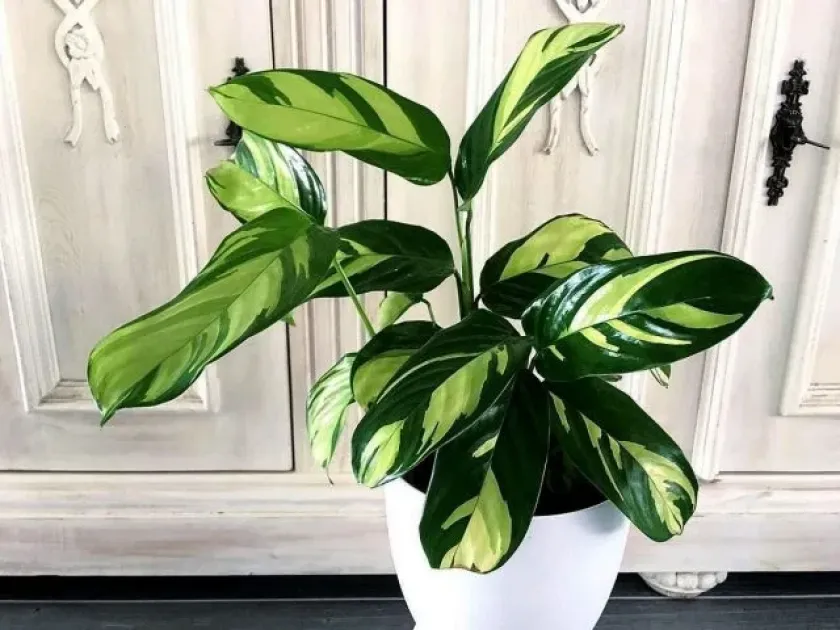
Ctenanthe lubbersiana is a perennial ornamental plant belonging to the Marantaceae family. Originally native to the tropical rainforests of Brazil, it is widely cultivated globally for its distinct, variegated foliage featuring yellow and green patterns.
This species thrives in high humidity and requires consistent temperatures between 20°C and 25°C. As a tropical plant, it cannot tolerate cold drafts or temperatures falling below 15°C for extended periods, which may result in leaf loss.
The soil requirements involve a well-draining, nutrient-rich potting mix. A combination of peat moss, perlite, and pine bark is ideal to ensure proper aeration while maintaining a slightly acidic pH level suited for tropical vegetation.
Watering should be managed carefully to keep the substrate consistently moist but never waterlogged. Using tepid, chlorine-free water is essential to prevent leaf tip burn, which is a common physiological issue in this genus.
Indirect, filtered light is the optimal condition for this crop. Excessive sun exposure will cause the leaves to bleach, while too little light will lead to the loss of the vibrant variegation, causing the foliage to revert to a solid, dull green.
Main diseases and pests
Spider mites represent the most significant threat to the crop, particularly in environments with low air humidity. These pests thrive in dry conditions and can quickly cause severe damage by piercing leaf cells and sucking plant sap.
Scale insects can occasionally infest the stems and the undersides of the leaves. Manual removal combined with the application of horticultural oils or systemic insecticides is necessary to effectively manage these stubborn pests.
Root rot, primarily caused by Phytophthora or Pythium species, occurs when soil drainage is poor. It manifests as yellowing foliage and soft, decaying roots, necessitating an immediate change of substrate and improved drainage.
Fungal leaf spot diseases may appear if the foliage remains wet for too long in poorly ventilated areas. Keeping the leaves dry and ensuring adequate spacing between plants are the primary preventive measures against such infections.
Nutrient deficiency or toxicity from improper fertilization can also negatively impact plant health. It is recommended to use a balanced liquid fertilizer at half-strength during the active growing season to ensure steady and healthy development.