
Ctenanthe amabilis
Ctenanthe amabilis
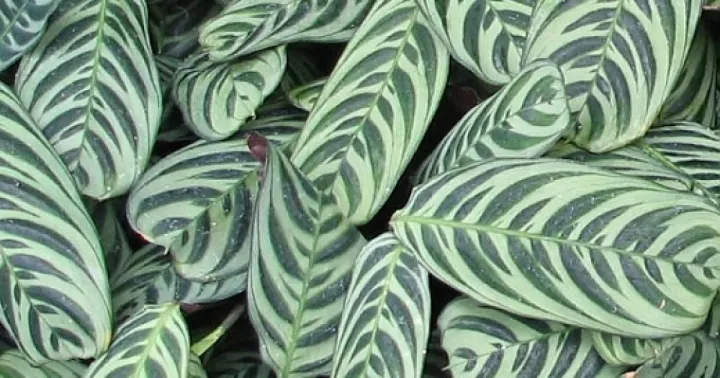
Description
Growing requirements
Ctenanthe amabilis is a perennial ornamental plant belonging to the Marantaceae family, native to the tropical rainforests of Brazil. It is valued for its unique foliage patterns and is widely cultivated as an indoor ornamental crop in temperate regions.
The plant thrives in diffuse light conditions, mimicking the canopy-filtered sunlight of its natural habitat. Exposure to direct sunlight is detrimental, causing leaf scorch and fading, so placement in shaded areas is essential for maintaining optimal pigmentation.
Regarding climate, this species requires a stable thermal environment between 20°C and 25°C. Exposure to cold drafts or temperatures below 15°C often leads to physiological distress, manifested by leaf curling and slowed metabolic activity in the root zone.
The soil substrate must be porous, slightly acidic, and rich in organic matter. A mixture of peat, perlite, and coniferous bark is recommended to provide adequate aeration while ensuring the root system stays consistently moist but never waterlogged.
Maintenance of high relative humidity is a critical agronomic requirement. In indoor settings, misting with demineralized water or utilizing specialized humidification systems is necessary to keep humidity levels around 75 percent, which promotes vigorous vegetative growth.
Main diseases and pests
Root rot, primarily caused by Phytophthora or Pythium species, is the most common pathology in Ctenanthe amabilis. This condition arises predominantly from overwatering and poor soil drainage, leading to the rapid decay of succulent roots and death of the plant.
Spider mites are the most persistent agricultural pests for this crop, particularly in low-humidity environments. They cluster on the underside of leaves, causing chlorosis and a characteristic stippled appearance as they feed on chlorophyll-rich cells.
Pest management protocols should focus on both cultural practices and chemical control. Regular leaf washing, maintaining adequate moisture levels, and the application of systemic acaricides are standard procedures for suppressing mite populations and ensuring plant health.
Nutritional imbalances are also a frequent issue. Excessive nitrogen applications can lead to overly lush but weak growth, while an accumulation of mineral salts from hard irrigation water can manifest as necrosis on the leaf margins, affecting the crop's aesthetic value.
To ensure long-term health, annual repotting in fresh, sterile soil is recommended to rejuvenate the nutrient profile and remove salt buildup. Consistent monitoring of leaf turgor and color remains the most effective tool for early disease detection and intervention.