
Ctenanthe
Ctenanthe hybrids
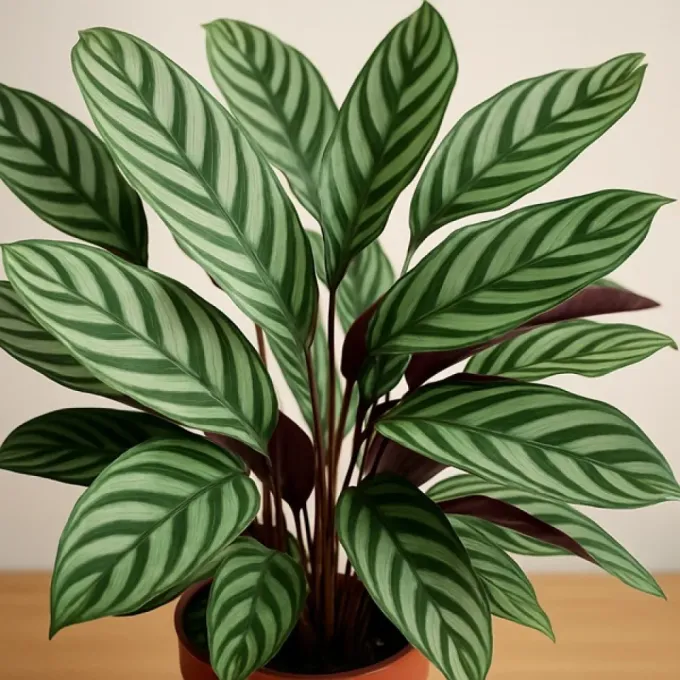
Description
Growing requirements
Ctenanthe is a genus of perennial herbaceous plants within the Marantaceae family. Native to the tropical regions of Brazil and Central America, these plants thrive in humid forest floors, which defines their specific ecological requirements for cultivation.
The optimal temperature range for these plants is between 20°C and 25°C. They are strictly sensitive to temperature fluctuations and cold drafts, which can cause significant physiological stress and lead to chlorosis or leaf tissue necrosis.
For soil cultivation, Ctenanthe requires a well-draining, nutrient-rich substrate with a slightly acidic pH (5.5–6.0). Incorporating organic components such as peat moss and perlite ensures adequate aeration while maintaining the necessary moisture retention for the root system.
The irrigation management protocol requires consistent moisture levels in the root zone. Watering must be performed with soft, room-temperature water to prevent salt accumulation, which can impair the plant’s ability to absorb nutrients efficiently.
Light management is crucial, as the crop requires bright, indirect light to maintain its ornamental variegation. Direct sunlight is detrimental, as it causes chlorophyll degradation and leaf burning, while insufficient light leads to etiolation and structural weakness.
Main diseases and pests
The most significant pests affecting this crop are spider mites and scale insects, particularly in low-humidity environments. Integrated pest management using acaricides and systemic insecticides is recommended to maintain crop health.
Pathogenic threats include fungal infections such as root rot and leaf spot diseases, typically triggered by overwatering or poor ventilation. Maintaining a strict sanitation schedule and regulating substrate moisture are primary preventive measures.