
Crinum latifolium
Crinum latifolium L.
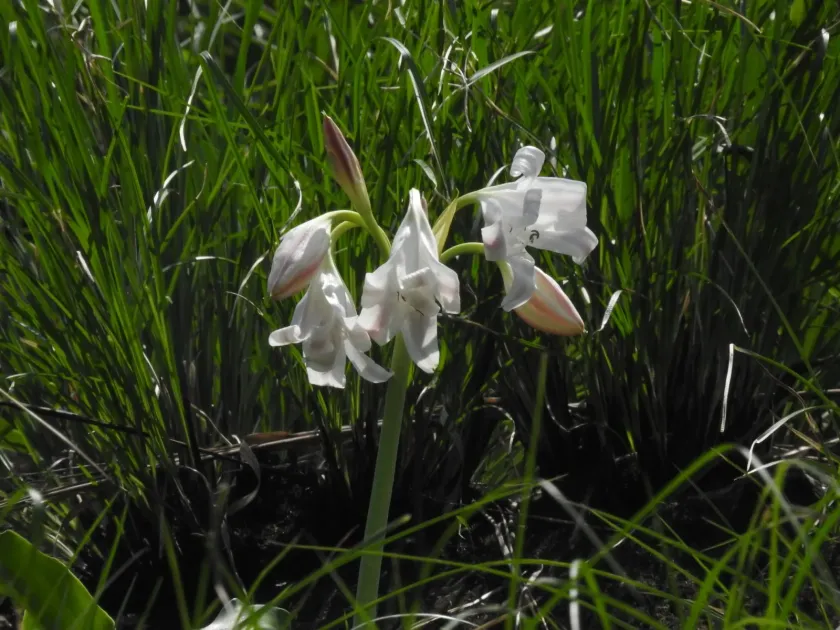
Description
Sowing dates
Crinum latifolium bulbs should be planted in early spring once the risk of frost has passed and the soil has sufficiently warmed up to promote root activity.
Propagation is most efficiently achieved through the division of offsets or bulbils that form around the base of the parent bulb during the dormant season.
When planting, the neck of the bulb should remain above the soil level to prevent moisture-related decay, as the bulb is highly sensitive to waterlogging.
Ensure that each bulb is spaced approximately 50 centimeters apart, allowing sufficient room for the sprawling, broad leaves to expand without shading neighboring plants.
For seed propagation, use a well-draining, sterile potting mix and maintain high humidity and warmth to ensure successful germination of the large, fleshy seeds.
Growing requirements
Crinum latifolium belongs to the Amaryllidaceae family and is native to tropical regions, requiring a warm, frost-free climate to thrive in agricultural settings.
The plant performs best in nutrient-rich, loamy soils that provide excellent drainage while retaining enough moisture to support its rapid growth during the summer season.
It prefers full sun exposure but requires protection from intense heat in arid environments, as prolonged exposure can lead to leaf yellowing and reduced vigor.
Fertilization with a balanced NPK fertilizer during the peak growing season is essential for promoting healthy bulb development and annual flowering cycles.
Winter dormancy is crucial for the plant's health; therefore, irrigation should be significantly reduced during the cooler months to prevent root rot and disease onset.
Main diseases and pests
The most common pest affecting Crinum latifolium is the mealybug, which typically hides in the leaf axils and around the bulb neck, consuming plant juices.
Spider mites are frequently encountered during hot and dry conditions, causing leaves to develop a speckled appearance and eventual necrosis if left untreated.
Fungal diseases like red blotch or basal rot are significant threats in poorly drained soils, often exacerbated by high soil moisture levels and inadequate air circulation.
Integrated pest management, including regular sanitation and the use of targeted systemic insecticides, is the most effective approach for maintaining crop health.
Monitoring the foliage for early signs of infestation and ensuring proper soil aeration are vital steps in minimizing the risk of crop loss in professional nurseries.