
Crinum asiaticum
Crinum asiaticum L.
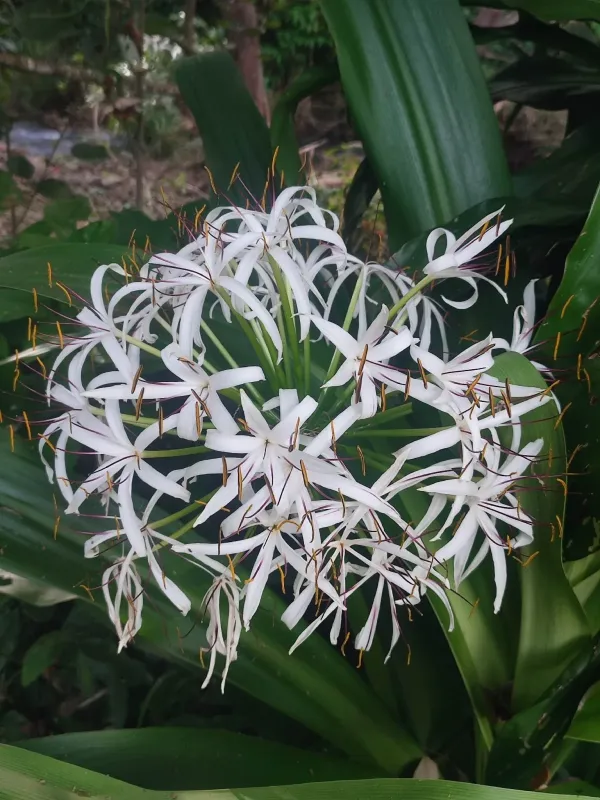
Description
Sowing dates
Propagation of Crinum asiaticum is most effectively achieved through the separation of offsets or bulblets from the parent bulb. This procedure is best performed in the spring, allowing the young plants to establish themselves during the peak growing season.
Seed propagation is possible but less common due to the short viability of the seeds. If seeds are used, they should be sown immediately after maturation in a light, porous medium, kept consistently moist and warm to encourage rapid germination.
When planting the bulbs, it is critical to keep the neck and the top of the bulb above the soil line. This positioning mimics their natural habit and significantly reduces the risk of basal rot, which is common in deep-planted bulbous plants.
Spacing is essential for mature plants, which can develop large, spreading foliage. Providing at least 60 centimeters between specimens ensures adequate airflow and prevents the localized humidity buildup that encourages fungal pathogens.
For container-grown specimens, a robust drainage layer of expanded clay or gravel must be included at the base of the pot to facilitate quick drainage and prevent the roots from sitting in stagnant water.
Growing requirements
Crinum asiaticum is a member of the Amaryllidaceae family, native to tropical Asia. As a tropical species, it thrives in environments characterized by high humidity, ample rainfall, and consistent warmth throughout the year.
The plant requires bright, filtered sunlight to maintain vigorous growth and vibrant green foliage. While it can tolerate some morning sun, protection from intense, direct mid-day heat is recommended, particularly for plants grown in greenhouse settings.
A well-draining, nutrient-rich soil is necessary for healthy development. A mix consisting of peat, leaf mold, and sharp sand is ideal, as it provides both the structure and the aeration required for the fleshy, sensitive root system.
Watering should be frequent during the active growing season, coinciding with high temperatures. During the cooler winter months, the plant enters a semi-dormant phase, and irrigation should be curtailed to prevent waterlogging and bulb decay.
Fertilization with a balanced, water-soluble fertilizer applied every two weeks during the growing period supports the plant's metabolic demands and encourages the production of its characteristic, fragrant inflorescences.
Main diseases and pests
Spider mites are the most persistent pest for Crinum asiaticum, especially in indoor environments where air circulation is limited and humidity levels drop. Routine washing of leaves and use of appropriate miticides are standard management practices.
Mealybugs can also infest the plant, often congregating in the axils of the leaves. Manual removal combined with systemic insecticides is necessary to manage these pests before they reach damaging population levels.
Fungal diseases, primarily those leading to root and bulb rot, are the most significant threats to the long-term viability of the crop. These pathogens are almost always facilitated by overwatering and poor drainage management.
Proactive disease control includes ensuring that no water remains in the heart of the leaf rosette and using sterilized tools when dividing the bulbs. Treating the bulbs with a broad-spectrum fungicide after division is a recommended agricultural practice.
- Regular inspection of leaf undersides.
- Avoiding excessive leaf wetting.
- Using sterilized equipment for propagation.