
Crassula alstonii
Crassula alstonii
Description
Growing requirements
Crassula alstonii is a unique succulent belonging to the Crassulaceae family. Native to the arid regions of South Africa, this plant has evolved to thrive in rocky, nutrient-poor soils where moisture availability is highly unpredictable and scarce.
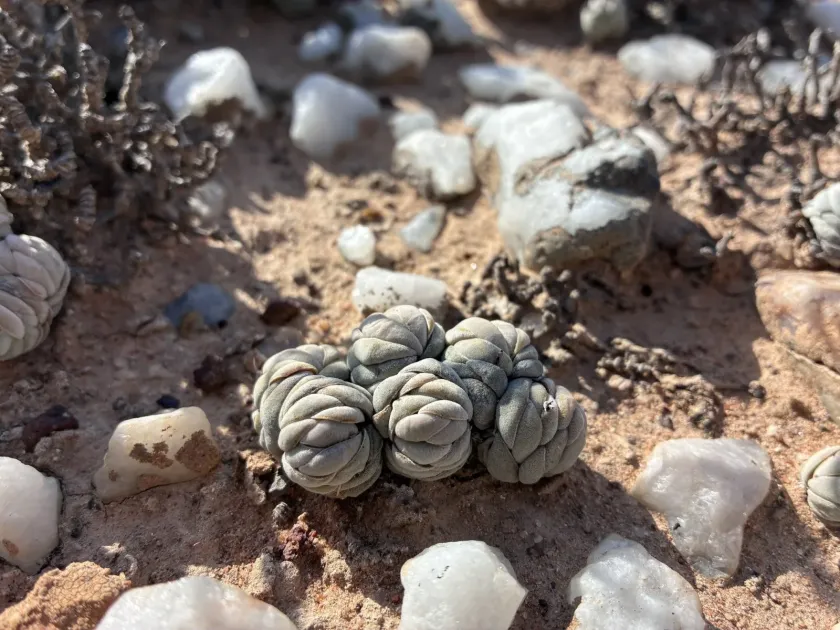
The plant is characterized by its distinct architectural shape, with fleshy, silvery-green leaves arranged in tight, overlapping rows. This dense formation helps the plant store water efficiently and protects its sensitive tissues from high solar radiation found in its natural habitat.
Cultivation requires a location with bright, indirect light or full morning sun. Prolonged exposure to dark conditions results in etiolation, where the plant loses its structural integrity and its compact, attractive growth pattern becomes distorted.
Soil composition must prioritize drainage over nutrient density. A professional succulent mix comprising inorganic materials such as pumice, coarse sand, and lava rock is recommended to ensure that the root system remains aerated and dry.
Temperature management is critical for the success of this species. It prefers warm days during the growing season and requires a cooling-off period during the winter months, which helps to maintain its dormant cycle and promotes better flowering in spring.
Main diseases and pests
Root rot, induced by excess moisture, is the primary threat to Crassula alstonii. Once the roots are compromised, the succulent rapidly loses its ability to uptake nutrients, leading to the collapse of the entire leaf structure.
Mealybugs are the most common pest found on this species. Because the leaves grow so closely together, these insects often burrow into the crevices where manual removal is difficult, requiring systematic chemical intervention.
Spider mites can also become problematic in environments with low humidity. They feed on the sap of the succulent, causing pale discolorations on the leaf surface that can permanently mar the aesthetic appearance of the plant.
Effective pest management involves consistent monitoring and the use of targeted systemic insecticides. Avoiding high-humidity microclimates around the foliage is a key cultural practice to prevent common fungal outbreaks.
General hygiene in the growing space is essential. Removing fallen debris and maintaining good airflow around the plants significantly reduces the likelihood of both pest infestations and pathogenic fungal infections.