
Condalia microphylla
Condalia microphylla
Description
Growing requirements
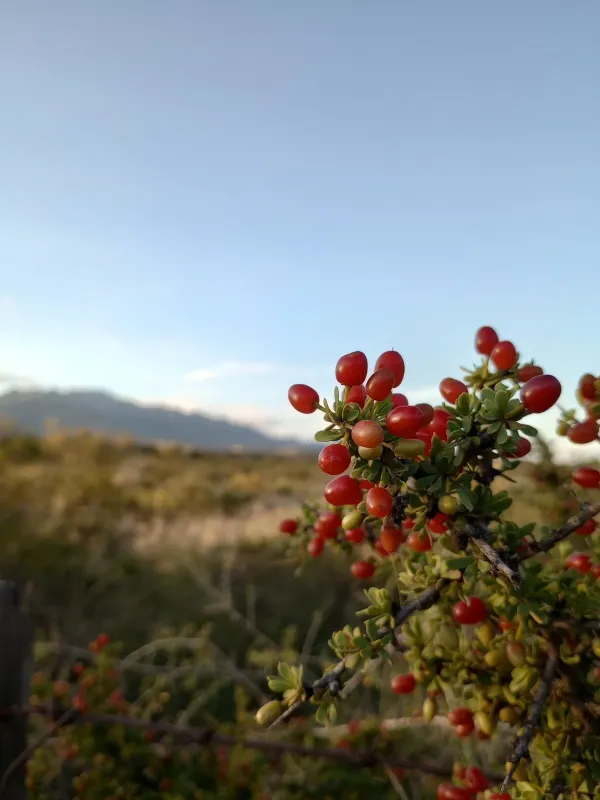
Condalia microphylla is a woody shrub belonging to the Rhamnaceae family. It is recognized for its dense, thorny architecture which serves as a natural defense mechanism in its harsh natural habitat.
Originating from the arid regions of South America, this plant is well-adapted to extreme environmental stress. Its biological strategy focuses on water conservation and survival in nutrient-poor environments.
The plant requires full sun exposure to maintain optimal physiological functions and fruit production. Soils should be sandy or stony to ensure excellent drainage, as the roots are highly susceptible to decay in waterlogged conditions.
Agricultural management is relatively low-input, making it an interesting candidate for arid land agriculture. Proper spacing is necessary to facilitate maintenance tasks given the presence of sharp spines on the branches.
The fruit of Condalia microphylla is utilized for local consumption and processed into various food products. Beyond its nutritional value, the shrub is an important source of nectar for local pollinators.
Main diseases and pests
The primary threats to this culture include root rot pathogens when soil aeration is compromised. Insect pests such as aphids or scale insects may occasionally infest the foliage during periods of significant environmental stress.