
Anchor plant
Colletia spinosa
Description
Growing requirements
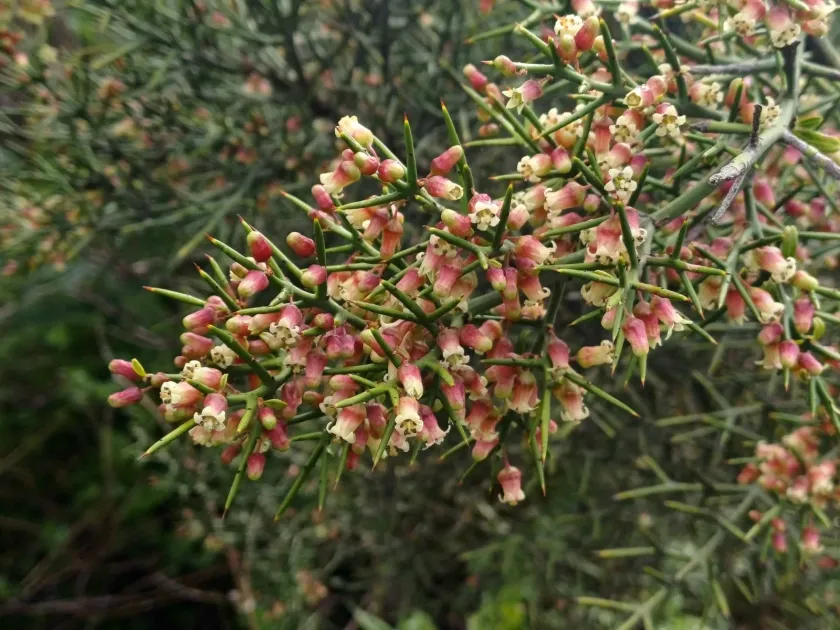
Colletia spinosa, commonly known as the Anchor plant, is a fascinating perennial shrub within the Rhamnaceae family. Originating from the South American regions of Brazil, Uruguay, and Argentina, it is highly adapted to arid and semi-arid environments.
The plant is defined by its unusual morphology, where its foliage is reduced to almost nothing, and photosynthesis occurs through rigid, thorn-like stems. These sharp structures provide the plant with a distinct defensive mechanism and a unique architectural appearance.
Cultivation of Colletia spinosa requires full exposure to direct sunlight. As a xerophytic species, it thrives in environments with high light intensity and performs poorly in shaded areas, which can lead to thinning of the stem structure and loss of vigor.
The soil requirements are strict regarding drainage. The plant excels in sandy, rocky, or gravelly soils where water drains rapidly. Maintaining a low moisture content in the root zone is the most important factor in the successful management of this species.
Regarding climate, the Anchor plant prefers a temperate or subtropical climate. While it can withstand some level of frost, prolonged exposure to freezing temperatures may cause damage to young branches, necessitating protection in colder growing zones.
Main diseases and pests
The primary threat to the health of the Anchor plant is root rot, which typically occurs due to poor soil drainage or excessive irrigation. Since the plant is accustomed to arid conditions, overwatering is the leading cause of mortality.
Pests such as spider mites are common, especially when the plant is grown in indoor settings or greenhouses where air circulation is restricted. These mites extract cell sap, causing the stems to lose their healthy green color and shrivel.
Scale insects can also infest the plant, hiding in the crevices of its complex thorn structure. Regular inspection and the application of horticultural oils or systemic insecticides are recommended to manage these infestations effectively.
Powdery mildew can occasionally appear if the plant is kept in humid, stagnant conditions. Ensuring proper ventilation around the base of the shrub is the best preventive measure to avoid fungal infections during periods of high ambient humidity.
Disease prevention strategies prioritize the avoidance of waterlogging. By allowing the soil to dry out completely between waterings, growers can maintain the natural resistance of the plant and prevent most opportunistic pathogens from taking hold.