
Colletia infausta
Colletia infausta
Description
Growing requirements
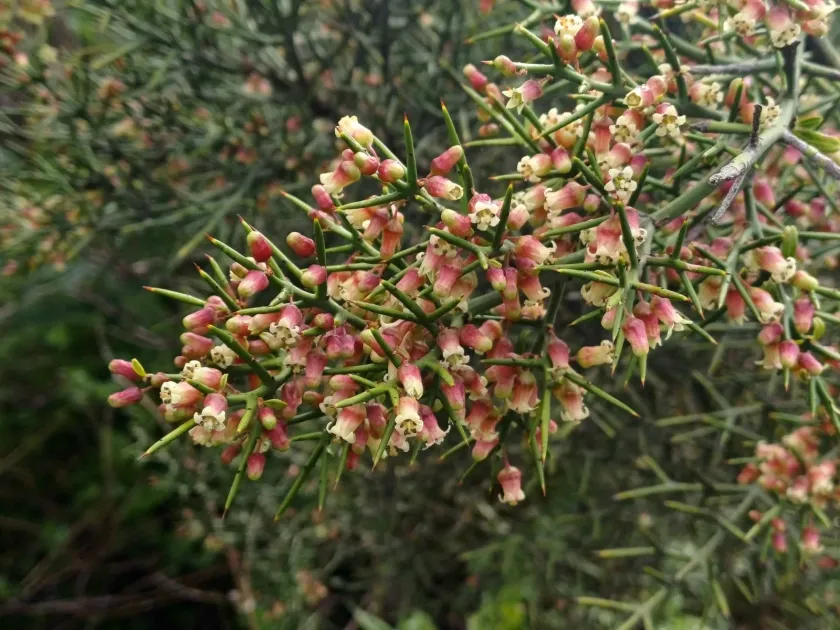
Colletia infausta is an intriguing member of the Rhamnaceae family, widely recognized for its evolutionary adaptation to arid climates. The plant is essentially leafless, having evolved its branches into sharp, rigid thorns that minimize water loss and protect the plant from herbivores.
Native to South America, this species is naturally accustomed to harsh, semi-desert conditions. It serves as an architectural highlight in ornamental gardens, particularly in regions prone to drought or where water-wise landscaping is prioritized.
Cultivation requires exceptionally well-draining soil. Sandy or rocky substrates are ideal to replicate its natural habitat. Any soil composition that retains moisture for extended periods will likely lead to root rot, which is fatal for this species.
Full sun exposure is a non-negotiable requirement for Colletia infausta. The plant relies on intense light to maintain its robust structure and dense thorny formation. In shade, the plant tends to lose its structural integrity and becomes susceptible to fungal pathogens.
Regarding climate, it is moderately cold-hardy but prefers warm, dry environments. In temperate zones, it is best kept as a container plant, moved indoors during winter months to prevent damage from frost and excessive autumn rainfall.
Main diseases and pests
The most significant threat to Colletia infausta is overwatering, which predisposes the root system to various fungal infections. Maintaining a dry root zone during the dormant winter period is crucial for the survival of the specimen.
Insect pests include common greenhouse invaders like spider mites and mealybugs. These pests exploit the plant's structural nooks and crannies to hide, necessitating thorough and regular inspections, especially when the plant is kept in confined spaces.
Mechanical damage to the spines can create entry points for secondary bacterial infections. Pruning should be performed only when necessary, using sharp, sterilized tools to ensure clean cuts that heal quickly without scarring.
Poor ventilation is another factor that promotes the growth of powdery mildew on the plant's green tissues. Ensuring a constant flow of fresh air is essential for managing humidity levels and keeping the surface of the thorns dry.
While the species is hardy, it is not immune to physiological stress caused by drastic shifts in humidity or nutrient imbalances. Keeping fertilization levels low and specifically calibrated for arid-loving plants will promote long-term health and vigor.