
Cocculus orbiculatus
Cocculus orbiculatus
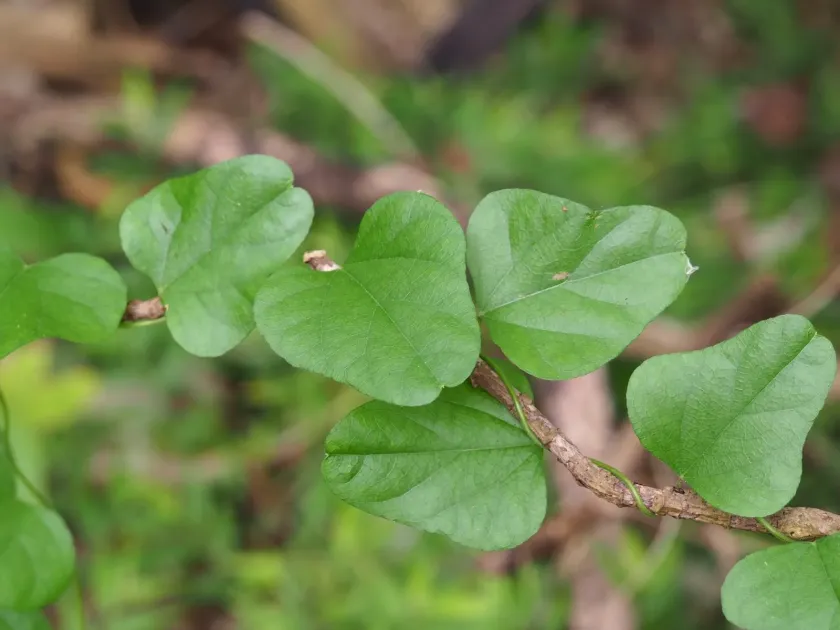
Description
Growing requirements
Cocculus orbiculatus, commonly known as snailseed, is a woody perennial vine belonging to the Menispermaceae family. Native to East Asia, it is widely recognized for its climbing habit and circular leaves, which are prominent features of the plant's morphology.
The plant thrives in warm, temperate to subtropical climates. It is highly adaptable to various environments but performs best when provided with ample sunlight or light shade, along with protection from harsh, drying winds that can damage tender shoots.
Soil requirements for Cocculus orbiculatus are centered around drainage and organic content. It prefers deep, fertile, loamy soils that can hold sufficient moisture without becoming waterlogged. Amending the soil with compost ensures the necessary nutrient supply for vigorous growth.
In terms of agricultural management, this plant requires sturdy support structures such as trellises or arbors to encourage vertical growth. Proper spacing is essential to allow for good airflow, which is critical for the long-term health and development of the vine.
Watering regimes should be consistent throughout the growing season. While established plants show moderate drought tolerance, regular irrigation during the initial establishment phase and peak summer heat is necessary to prevent wilting and promote robust biomass production.
Main diseases and pests
The primary threats to Cocculus orbiculatus include fungal pathogens such as leaf spot and powdery mildew. These diseases typically manifest during periods of high humidity and poor ventilation, highlighting the need for strategic spacing during planting.
Pests, particularly spider mites and aphids, pose a significant risk, especially in controlled environments or greenhouses. These insects thrive in dry, warm conditions, necessitating regular monitoring of the underside of leaves for early signs of infestation.
Integrated pest management strategies are highly recommended. This includes encouraging natural predators, using horticultural oils to manage mite populations, and maintaining clean cultivation practices to reduce the overwintering sites for potential pests.
Sanitation is a cornerstone of protecting this culture. Removing dead or diseased foliage promptly prevents the buildup of inoculum, which is crucial for maintaining the plant's vitality and preventing secondary infections across the plantation.
Overall, chemical interventions should be kept to a minimum and used only as a last resort. Prioritizing resistant cultivars and ensuring optimal growing conditions remain the most effective methods for mitigating threats to this woody vine.