
Laurel-leaf snailseed
Cocculus laurifolius
Description
Growing requirements
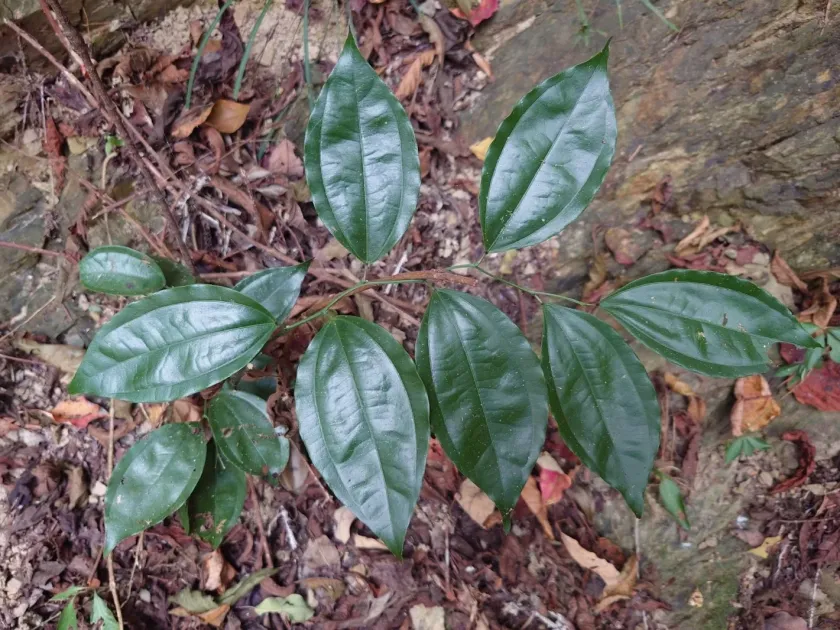
Cocculus laurifolius, commonly known as the laurel-leaf snailseed, is an evergreen shrub belonging to the Menispermaceae family. Native to the Himalayas and parts of East Asia, this plant is highly prized for its glossy, lance-shaped foliage that provides year-round visual appeal.
The plant exhibits a slow to moderate growth rate and can reach heights of several meters if left unpruned. Its structure consists of arching, flexible branches which make it an excellent candidate for formal topiary or as a screen in a sheltered garden environment.
Regarding climate requirements, Cocculus laurifolius thrives in moderate temperatures and prefers locations protected from harsh, drying winds. While it is adaptable to partial shade, it produces the densest foliage when exposed to bright, indirect sunlight throughout the day.
The soil should be fertile, well-draining, and slightly acidic to neutral in pH. Proper drainage is the most critical factor for cultivation, as the root system is highly susceptible to rot when subjected to waterlogged conditions for extended periods.
In landscape architecture, it is primarily used as a feature plant or a dense evergreen hedge. Due to the presence of secondary metabolites such as alkaloids, it is rarely consumed, though it remains a subject of interest for phytochemical analysis in botanical studies.
Main diseases and pests
The main threats to Cocculus laurifolius include fungal issues such as leaf spot and root rot, which typically occur in poorly drained soils or during periods of excessive rainfall and low light.
Insects like scale insects and spider mites are common pests that target the foliage, especially during hot, dry summer months. These pests can cause yellowing and premature leaf drop if left uncontrolled.
Prevention is key, involving the maintenance of proper plant spacing to ensure adequate airflow and avoiding overhead irrigation during humid weather conditions.
If an infestation is detected, horticultural soaps or systemic insecticides are generally effective at controlling pest populations without damaging the plant’s glossy cuticle.
Consistent maintenance, including the removal of deadwood and pruning of crowded branches, significantly improves the overall vigor and disease resistance of the specimen.