
Cocculus hirsutus
Cocculus hirsutus
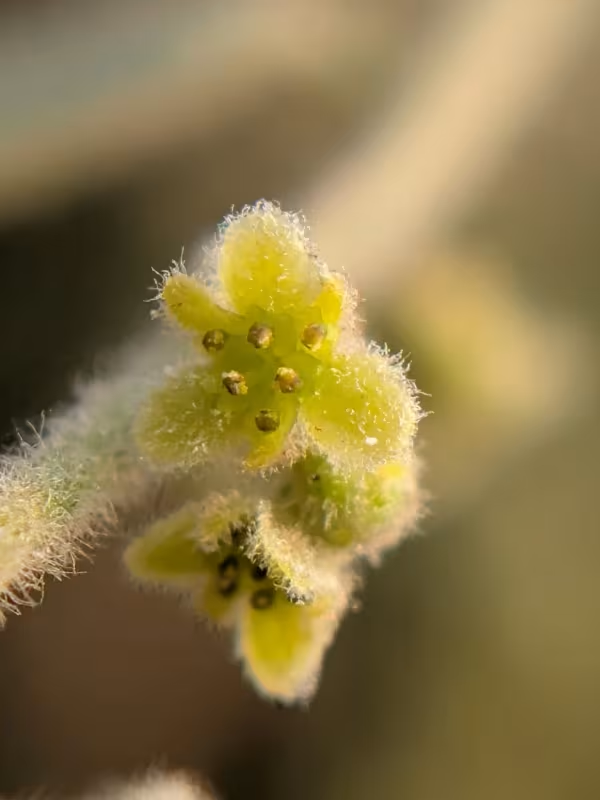
Description
Sowing dates
Propagation of Cocculus hirsutus is primarily achieved through seeds or stem cuttings. Seed germination requires a consistent temperature range, typically between 22 and 26 degrees Celsius, to ensure successful sprout development.
When sowing, seeds should be placed in well-draining, nutrient-rich soil. Light coverage with substrate is sufficient, as deep burial can impede the emergence of the fragile seedlings in the early stages.
Cuttings are often preferred for cloning desirable traits and accelerating establishment. Using semi-hardwood stems treated with rooting hormones during the growing season yields the highest success rates for new plantings.
Young plants should be hardened off before being transplanted to the main field. This adaptation process reduces transplant shock and helps the vine survive the transition to fluctuating environmental conditions.
Proper spacing is essential to prevent overcrowding, as this species is a vigorous grower. Maintaining adequate air circulation between plants is vital for long-term health and easier management of the vines.
Growing requirements
Cocculus hirsutus is a perennial climber belonging to the Menispermaceae family. It is native to tropical and subtropical climates, thriving in areas with warm temperatures and stable, seasonal precipitation patterns.
The crop demands fertile, sandy loam soils that possess excellent drainage. While the plant can tolerate various soil types, it is highly susceptible to root damage in waterlogged or heavy clay conditions.
Full to partial sunlight is required for optimal physiological function. Exposure to sufficient light levels directly correlates with the concentration of secondary metabolites, which are essential for its medicinal use.
While the plant exhibits moderate drought resistance due to its deep root architecture, supplemental irrigation is necessary for commercial yields. Maintaining consistent soil moisture levels during dry spells significantly boosts biomass production.
Agricultural support structures, such as trellises or vertical poles, are mandatory. Without proper climbing support, the vine's development is stunted, and the harvest process becomes inefficient and labor-intensive.
Yield
The yield of Cocculus hirsutus is primarily measured by the total mass of harvested leaves and young stems. Productivity is largely influenced by soil quality, irrigation frequency, and the specific age of the plant.
Under favorable management, the crop allows for periodic pruning, which encourages the development of fresh secondary shoots. This cyclic harvesting approach ensures a steady supply of high-quality plant material throughout the season.
Plants generally reach their peak productivity between the third and fifth years of growth. Maintaining a healthy balance between leaf collection and vegetative maintenance is crucial for sustaining high yields over several years.
Proper nutrient management, particularly the application of organic amendments, enhances leaf area index and overall vigour. Increased vegetative growth directly translates into higher commercial returns for the farmer.
Efficiency in the yield process depends on the timing of harvests. Strategic cutting at the vegetative peak maximizes the botanical value of the raw material, meeting the quality standards of the pharmaceutical market.
Main diseases and pests
Common pests affecting Cocculus hirsutus include spider mites and aphids, which often target tender apical growth. These pests can significantly reduce plant vigor if not controlled early through integrated pest management.
Fungal pathogens such as powdery mildew represent a major threat, particularly in humid environments with poor airflow. Maintaining dry foliage and ensuring adequate space between plants are the best preventative measures.
Root rot caused by over-irrigation remains the most lethal threat to the plant. Once established, the disease spreads rapidly and is often irreversible, highlighting the critical importance of soil drainage management.
Regular field scouting is essential for identifying early signs of distress, including leaf chlorosis or wilting. Early detection allows for localized treatments, minimizing the need for broad-spectrum chemical inputs.
Implementing biodiversity in the planting area can naturally suppress pest populations. By encouraging beneficial insects, farmers can protect the crop without relying heavily on synthetic pesticides.
Harvesting
Harvesting should coincide with the peak metabolic state of the plant to ensure the highest concentration of active compounds. Ideally, this occurs just prior to the onset of the flowering stage.
Manual collection using sharp pruning tools is recommended to ensure clean cuts. This technique prevents unnecessary wounding of the main vine, which minimizes stress and promotes faster healing of the plant.
Post-harvest handling must be swift, with the material moved to shaded areas to prevent wilting and chemical degradation. Exposure to direct sunlight after harvest can quickly lower the quality of the raw botanical product.
Grading the material at the harvest site is necessary to remove impurities and damaged leaves. This ensures that only prime-quality biomass enters the drying and processing phase, maintaining high standards for the end-user.
Storage requires cool, low-humidity environments shielded from light. Proper storage conditions are essential for protecting the integrity of the plant's medicinal properties for extended periods until final processing.