
Great fen-sedge
Cladium mariscus
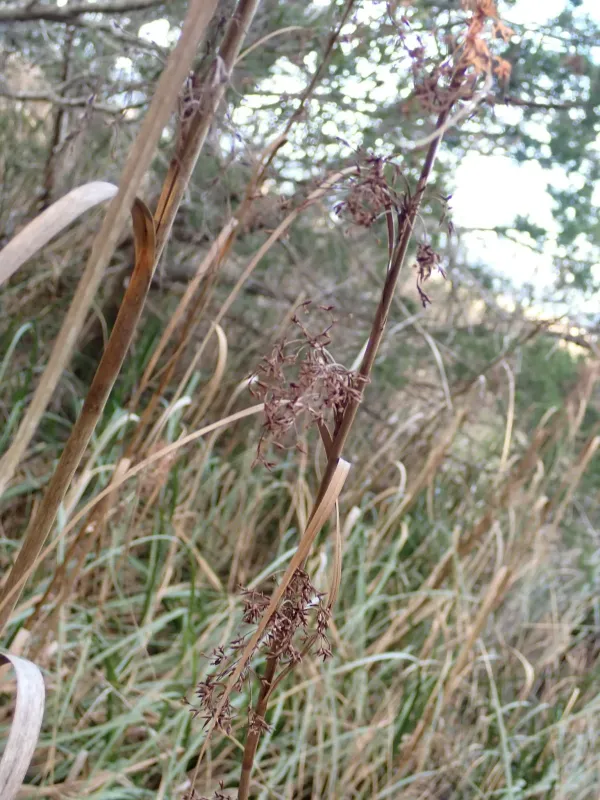
Description
Sowing dates
Great fen-sedge (Cladium mariscus) belongs to the Cyperaceae family. In nature, it reproduces primarily through creeping rhizomes, though seed propagation is also possible under specific environmental conditions.
When establishing new plantations, sowing or planting rhizome fragments should be performed in the spring, once water and soil temperatures are sufficient to trigger growth.
Plantation areas require substrate preparation to prevent desiccation, as the seeds need constant moisture for successful stratification and germination.
Managing planting density is critical, as this species tends to form dense, monostand communities that can easily outcompete other local flora.
The plant is a hardy perennial with a high regenerative capacity, making it a suitable candidate for long-term sustainable cultivation in waterlogged areas.
Growing requirements
Great fen-sedge requires specific hydrological conditions, thriving in permanently saturated environments such as fens, marshes, and the margins of slow-moving water bodies.
While adaptable to various peat soil types, the plant prefers neutral to slightly alkaline conditions with sufficient mineral inflow from groundwater sources.
Its climatic requirements are defined by its broad distribution across temperate and subtropical regions, where it handles temperature variations well as long as the root system does not freeze completely.
Optimal growth requires high light intensity; shading from shrubs or trees often leads to reduced vitality and the gradual decline of the stand.
The most important agronomic factor is maintaining stable water levels, as severe drops in water table can lead to the rapid degradation of the vegetation.
Yield
The biomass productivity of great fen-sedge is significant, offering potential as a renewable resource for cellulose production or bio-energy applications.
Yields are highly dependent on the nutrient status of the water and the depth of the peat layer, which supplies the necessary minerals for vigorous plant growth.
Industrial harvesting is typically conducted during winter months, when frozen ground and ice cover allow heavy machinery to operate efficiently within the wetlands.
With proper management, the plantation provides a consistent annual yield without the need for mineral fertilizers, as the species thrives on the natural nutrient cycling of peatlands.
Research indicates that under optimal conditions, stand density can reach several hundred generative stems per square meter.
Main diseases and pests
The primary threats include pests that attack the stems and rhizomes, specifically certain Lepidoptera species that specialize in aquatic and semi-aquatic vegetation.
Pathogens, particularly fungal infections, often pose risks during periods of stagnant water combined with lack of aeration in the root zone during extreme summer heat.
Rust fungi are a significant threat, as they can severely impair the photosynthetic capacity of the leaves and reduce the overall quality of the harvested biomass.
Invasive species can compete with the crop during the establishment phase, making weed control a necessary management step.
Changes in hydrological regimes, often caused by drainage projects in surrounding areas, remain the greatest threat to the survival of both natural and cultivated populations.
Harvesting
Harvesting is usually carried out in winter, a period of plant dormancy, which ensures low moisture content in the tissue and easier logistical operations.
Harvesting on frozen surfaces is cost-effective as it protects the fragile peat soil structure and simplifies the use of harvesting machinery.
The collected biomass undergoes natural air-drying and can then be repurposed for thatch roofing, livestock bedding, or raw material for industrial fiber extraction.
Care must be taken regarding the cutting height to ensure that the rhizomes remain healthy and viable for regrowth in the subsequent growing season.
Post-harvest processing involves sorting and removing debris, which significantly increases the market value of the material for technical and construction applications.