
Chinese sawgrass
Cladium chinense
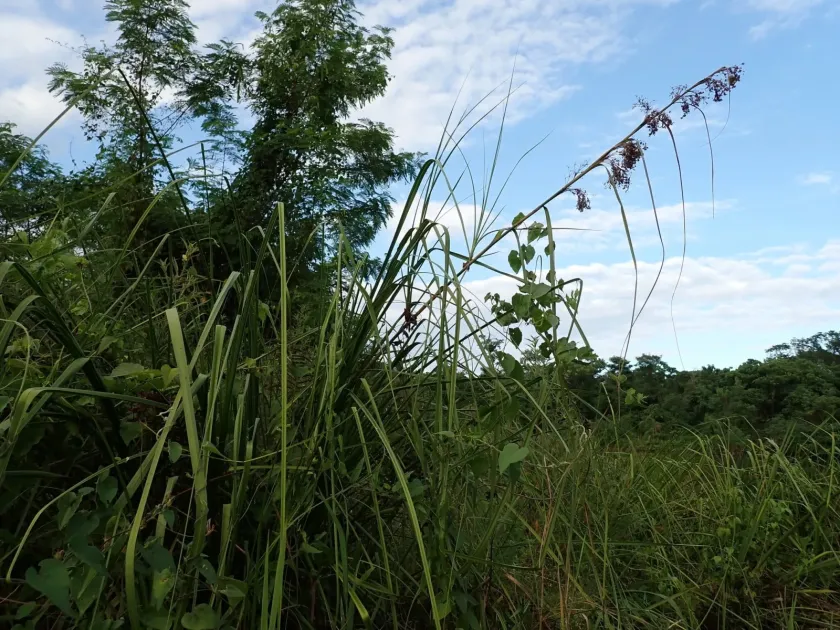
Description
Growing requirements
Chinese sawgrass (Cladium chinense) is a member of the Cyperaceae family. It is a perennial herbaceous plant typically found in wetland habitats, marshes, and riverbanks.
The plant has strict requirements for water availability, thriving best in waterlogged soils. It is highly adapted to high-moisture environments where other agricultural crops struggle to survive.
Light intensity is a critical factor for growth; this species requires full sun exposure to reach its maximum biomass potential. Shaded areas often result in poor development and decreased fiber quality.
As for soil preferences, it favors neutral or slightly acidic soils rich in organic matter. Stable water tables are essential throughout the entire growth cycle to prevent plant stress.
Agricultural management requires careful planning of hydrological conditions. Growers must ensure that the site remains consistently moist without stagnant water issues that could lead to root rot.
Harvesting
The primary agricultural utility of Cladium chinense lies in its stems, which serve as a valuable source of raw fiber for various industrial and handicraft purposes.
The stems are characterized by their significant durability and tensile strength. They are traditionally processed into mats, woven baskets, and artistic handicraft products.
Harvesting usually occurs when the plant reaches maturity, ensuring that the stalks have developed the necessary structural integrity for manufacturing applications.
After harvesting, the material is dried to reduce moisture content, which prevents fungal growth during storage. Proper drying ensures the longevity of the fibers for later processing.
Beyond handicrafts, Chinese sawgrass is being evaluated for potential use in the paper industry and as a renewable source of biomass for bioenergy, highlighting its versatile nature.