
Cladium mariscoides
Cladium mariscoides
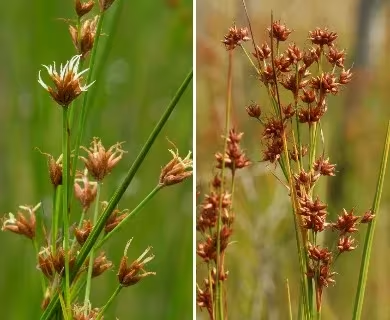
Description
Sowing dates
The propagation of Cladium mariscoides is primarily achieved through seeds, although germination success relies heavily on stable moisture levels. In agricultural or restoration settings, vegetative division of rhizomes is a more reliable method for expansion.
The ideal planting window is late spring, once the soil has warmed sufficiently while maintaining high saturation. Proper contact between the root system and the moist substrate is essential immediately after transplanting.
Seed germination requires a stratification period to break dormancy. Optimal conditions include temperatures between +18 and +22 degrees Celsius and consistent exposure to light, as seeds are photoblastic.
When planting rhizomes, a spacing of 40–50 centimeters is recommended to allow for the development of a dense sod. This density helps the plant compete effectively with weeds and establish a strong hold in the substrate.
Surface sowing is mandatory for seeds, as they require light to initiate growth. Covering them too deeply prevents germination and often leads to the loss of viable planting material.
Growing requirements
Cladium mariscoides is a member of the Cyperaceae (sedge) family and is specifically adapted to wet, swampy environments. It serves as an important indicator of high-moisture ecosystems.
The plant thrives in acidic or slightly acidic peat soils. A high concentration of organic matter is vital for its nutritional needs and for maintaining the structural integrity of the root system.
Full sun exposure is a primary requirement for healthy growth. Cladium mariscoides does not perform well in shaded areas, as low light levels inhibit photosynthesis and reduce overall biomass production.
Hydro-stability is non-negotiable; the plant requires a constant water table. Fluctuations that lead to prolonged dryness can severely stress the plant, hindering its development and survival.
It is well-adapted to temperate climates, showing significant cold tolerance during dormant winter months. This resilience makes it a suitable candidate for wetland landscaping in various temperate regions.
Yield
While not a traditional food crop, Cladium mariscoides holds significant value for environmental engineering, particularly in water filtration and constructed wetlands. It effectively traps sediments and absorbs excess nutrients.
Biomass accumulation is steady once the plant is established. Yields of vegetative matter are dictated by the nutrient availability in the substrate and the presence of direct sunlight throughout the growing season.
The plant's root system provides exceptional erosion control. By binding soil particles together, it stabilizes shorelines and prevents sediment runoff in fragile wetland areas.
Biodiversity support is another key yield factor. By creating a unique structural habitat, it supports various wetland species, which is essential for maintaining a balanced ecosystem.
Post-harvest biomass can be repurposed as organic compost. When properly processed, it provides valuable nutrients back to the soil, contributing to sustainable land management practices.
Main diseases and pests
Invasive species are the greatest threat to Cladium mariscoides populations. Fast-growing invasive plants can easily outcompete it for light and space, necessitating proactive monitoring.
Fungal pathogens often emerge in areas with stagnant water and poor air circulation. These diseases can attack the stems and significantly reduce the overall health of the planting.
Certain insect pests target the flowers and shoots, potentially reducing seed yield. Regular scouting is recommended during the growing season to identify and mitigate pest outbreaks early.
Changes in hydrological regimes pose a severe threat. Prolonged drought periods weaken the plant's resistance, making it more vulnerable to secondary infections and physical damage.
The plant is highly sensitive to herbicides. Even drift from neighboring agricultural operations can be lethal to the species, requiring a significant buffer zone around any cultivation site.
Harvesting
Harvesting the above-ground biomass is typically performed at the end of the season when the plant enters dormancy. Specialized low-ground-pressure machinery is necessary to prevent site degradation.
Seed collection is a delicate manual process. It must be timed precisely to capture the seeds at peak maturity, preventing loss to natural dispersal before the intervention occurs.
Rapid removal of harvested biomass from the wetland site is necessary. Leaving decaying material in the water can lead to oxygen depletion and negatively impact water quality.
Proper storage involves drying the material in well-ventilated areas to prevent mold. Maintaining quality is essential if the biomass is intended for secondary uses like mulching.
Strategic harvesting helps prevent the accumulation of excessive dead organic matter, which can stimulate rapid regrowth and maintain the vitality of the plant community for the following season.