
California sawgrass
Cladium californicum
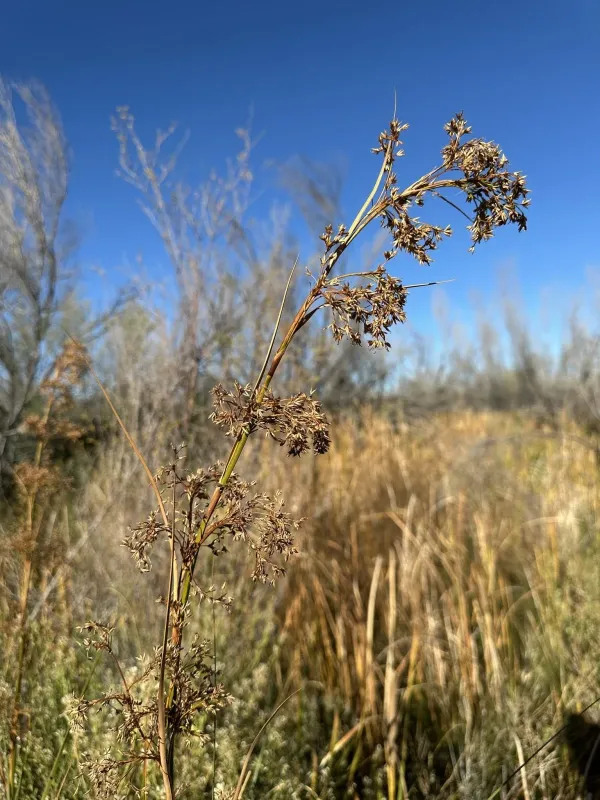
Description
Growing requirements
California sawgrass (Cladium californicum) is a perennial wetland plant belonging to the Cyperaceae family. Native to the southwestern regions of North America, it is an essential species for maintaining the health of marshes and riparian ecosystems.
This crop thrives in saturated soil conditions, typically preferring calcareous or mineral-rich substrates. It is a highly moisture-dependent plant, requiring constant access to water to sustain its vigorous growth cycle and structural integrity.
Botanically, the plant develops dense clusters of stiff, serrated leaves and a robust rhizome system. This structure makes it exceptionally effective at soil stabilization, preventing erosion in saturated environments and along the banks of water bodies.
The primary agricultural and environmental use of Cladium californicum is phytoremediation. Its ability to extract nitrates and phosphates from water makes it an ideal candidate for integrated wastewater treatment systems and ecological restoration projects.
Cultivation practices focus on maintaining optimal hydroperiods. Providing adequate spacing and ensuring water flow prevents stagnant conditions, which optimizes nutrient uptake and overall plant health throughout the growing season.
Main diseases and pests
The primary threats to Cladium californicum arise from altered hydrology. Drying periods, even if brief, can cause severe stress, leading to a reduction in leaf surface area and a decrease in the overall productivity of the stand.
Pest issues include aphids and certain leaf-mining insects that can compromise photosynthesis. Sustainable management practices, such as biological pest control, are preferred to protect the sensitive aquatic environment where the plant is typically grown.
Fungal pathogens such as rusts and leaf spots occur occasionally, particularly in high-density areas with poor air circulation. Proper thinning and water management are critical cultural practices to mitigate these risks.
Competition from invasive plant species is a significant challenge in newly established stands. Effective site preparation and selective weeding during the first two seasons are essential for successful stand establishment.
Ultimately, the health of a California sawgrass plantation is directly linked to water quality. Avoiding excessive chemical inputs in the surrounding agricultural runoff is crucial to prevent the accumulation of toxic compounds in the rhizosphere.