
Calamondin
Citrofortunella
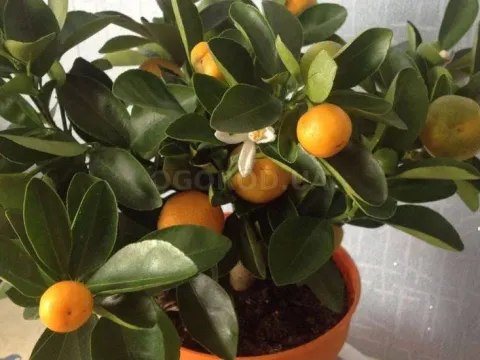
Calamondin (Citrofortunella) is a popular citrus hybrid resulting from a cross between a mandarin orange and a kumquat. Belonging to the Rutaceae family, it is widely appreciated for its ability to bear fruit while kept as an indoor container plant.
What the section contains


Calamondin
The plant thrives in bright, filtered light. While it enjoys the sun, direct midday exposure can scorch the glossy leaves, making an east or west-facing window the ideal location for a healthy growth cycle.
Temperature requirements involve keeping the tree between 18 and 25 degrees Celsius during the active growing season. A winter dormancy period in a cooler space, ideally around 12–15 degrees, is essential for stimulating spring blooms.
Soil quality is paramount for Calamondin; it requires a well-draining, slightly acidic potting mix. A mixture of loam, peat, and coarse sand or perlite ensures that the roots have access to both nutrients and oxygen.
Consistent watering is necessary, allowing the top inch of soil to dry out before the next irrigation. Excessive water retention in the pot is the most common cause of root death, making proper drainage holes non-negotiable.
Spider mites are the most frequent pests to attack Calamondin, especially when the indoor air is too dry. Their presence is indicated by fine webbing and a stippled appearance on the leaves.
Scale insects and mealybugs can also infest the stems and leaf axils. These pests suck the sap, leading to weakened growth and the development of sooty mold, which thrives on the sticky residue left behind by the insects.
Fungal issues such as root rot occur primarily due to poor drainage or overwatering. Infected plants typically display yellowing leaves and wilting, which requires immediate repotting into fresh, dry soil.
Maintaining high humidity levels through regular misting or using a pebble tray helps deter spider mites. Keeping the plant foliage clean also reduces the risk of pest colonization significantly.
If chemical intervention is needed, use horticultural oils or insecticidal soaps designed for indoor plants. Always ensure thorough coverage of both the tops and bottoms of the leaves to ensure effective pest elimination.
Calamondin fruits are small, round, and vibrant orange when mature. While they are quite tart, they are fully edible, including the thin, sweet rind, which provides a unique contrast in flavor for culinary applications.
Harvesting should occur when the fruits are firm and deep orange in color. Using small pruning shears allows for a clean cut, preserving the health of the branches and preventing accidental tearing of the bark.
Culinary uses for Calamondin include making marmalades, preserving the whole fruit in syrup, or using the juice to add acidity to various sauces and cocktails. The aromatic oils in the rind make it a great zest source.
Regularly harvesting the fruit helps the tree focus energy on vegetative growth and the development of new flower buds. Leaving old fruit on the branches for too long can eventually lead to natural fruit drop.
Harvested fruits have a decent shelf life if stored in a cool, ventilated environment. For long-term preservation, the fruits can be frozen or turned into candied delicacies that retain their characteristic citrus aroma.