
Calamondin
Citrofortunella swinglei
Description
Growing requirements
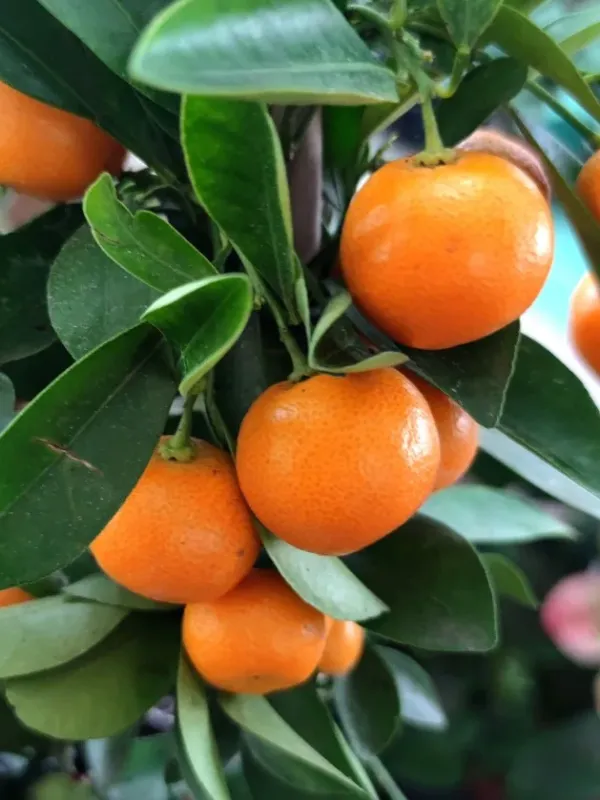
Calamondin (lat. Citrofortunella swinglei or Citrofortunella microcarpa) is a popular evergreen hybrid of the kumquat and mandarin orange, belonging to the Rutaceae family. It is widely cultivated for its ornamental value and its small, edible, sour citrus fruits.
The plant thrives in bright, indirect sunlight. While it can tolerate some direct morning sun, intense afternoon exposure can scorch the foliage. It prefers moderate indoor temperatures of 18–25°C, requiring a cooler dormant period during the winter months, ideally between 12°C and 15°C.
A well-draining, slightly acidic potting medium is essential for healthy root development. A balanced mix of peat, perlite, and organic compost provides the aeration and moisture retention the plant needs. Drainage holes at the bottom of the container are mandatory to prevent waterlogging.
Regular watering is necessary, allowing the top inch of soil to dry out between sessions. Humidity is a critical factor for the calamondin; consistent misting or the use of a room humidifier will significantly improve its health and help prevent leaf drop.
Feeding the plant is crucial for fruit production. Use a high-quality citrus fertilizer rich in nitrogen and essential micronutrients during the active growing season. Follow the dosage instructions carefully to avoid root burn from excessive salts.
Main diseases and pests
The primary pests affecting calamondin trees are spider mites, scale insects, and mealybugs. These pests thrive in dry environments and can quickly infest the foliage, requiring immediate treatment with neem oil or specific systemic insecticides.
Root rot is the most common disease, caused by overwatering and poor drainage, which leads to fungal colonization of the roots. Additionally, chlorosis may occur due to improper soil pH, resulting in yellowing leaves with green veins.