
Calamondin
Citrofortunella microcarpa
Description
Growing requirements
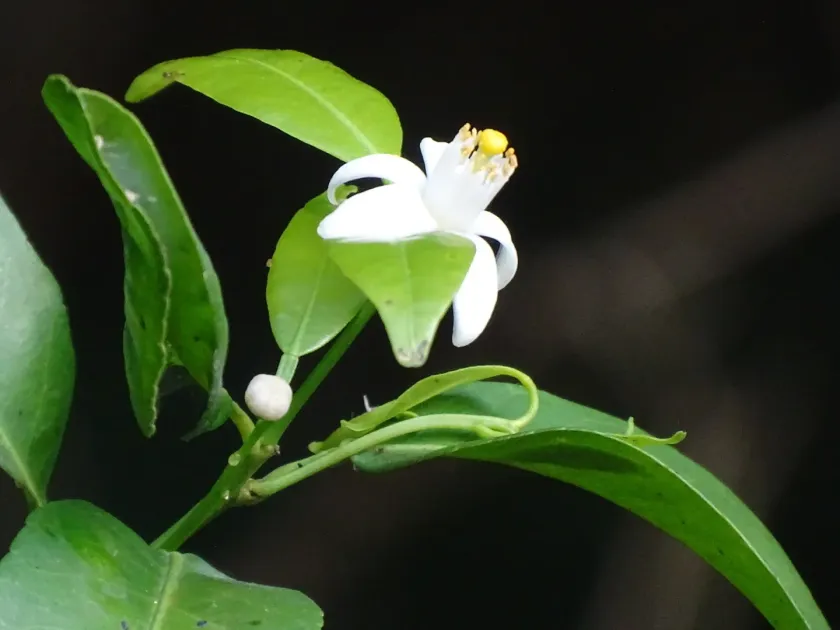
Calamondin (Citrofortunella microcarpa) is a popular citrus hybrid belonging to the Rutaceae family, resulting from the cross between a mandarin orange and a kumquat. It is highly valued as a decorative container plant due to its ability to produce abundant, fragrant flowers and small edible fruits.
Originating from Southeast Asia, this species has adapted well to diverse climates, often grown indoors in temperate regions. It thrives in sunny locations, requiring at least six hours of indirect or filtered light daily to maintain dense foliage and healthy development.
Temperature management is critical for success; the plant prefers a range between 18°C and 25°C during the growing season. In winter, a cooler environment (around 12-15°C) is beneficial to induce a period of rest, which enhances the subsequent spring flowering phase.
Soil requirements involve a well-draining, slightly acidic medium. A mix of peat, perlite, and organic compost is ideal to ensure oxygen reaches the root zone. Proper drainage is essential to prevent waterlogging, which is the most common cause of root death in citrus plants.
Agrotechnical maintenance focuses on consistent irrigation, using tepid water to keep the root ball moist but not saturated. Nutritional needs are met through regular application of high-nitrogen citrus fertilizers during spring and summer to support the intensive fruit set.
Yield
In terms of economic and practical use, the calamondin fruit is widely used in culinary arts. Because of its tart flavor and edible skin, it is frequently processed into marmalades, juices, or used as a flavoring agent in cocktails and savory dishes, providing a unique citrus profile.
Main diseases and pests
The plant is susceptible to common citrus pests, including spider mites, mealybugs, and scale insects. Regular scouting and the application of insecticidal soaps or neem oil are effective methods to manage these populations and prevent damage to leaves and stems.
Disease management primarily involves monitoring for fungal issues like root rot or anthracnose, often triggered by poor ventilation or excess humidity. Keeping the canopy clean and ensuring proper airflow around the branches is vital for preventing the spread of these common pathogens.