
Limequat
Citrofortunella floridana
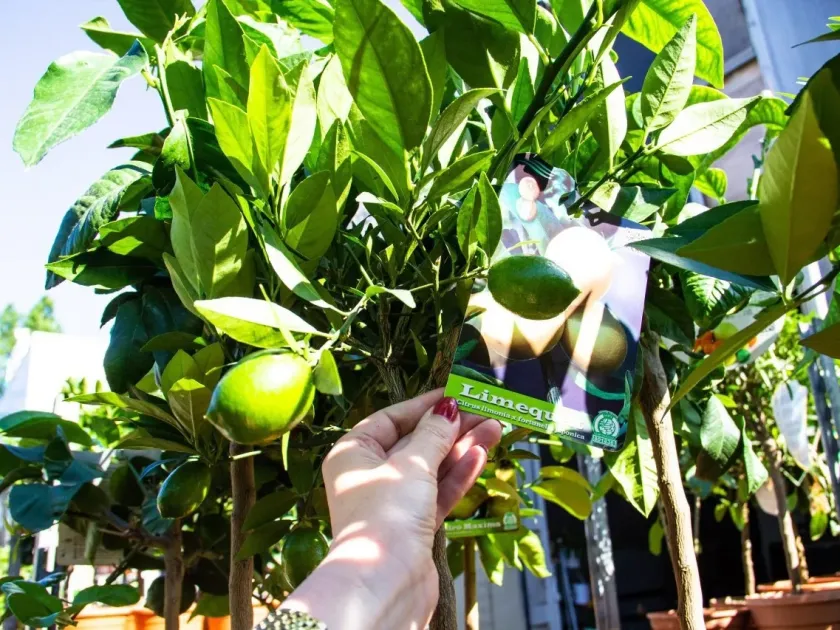
Description
Growing requirements
Limequat (Citrofortunella floridana) is an intergeneric hybrid between a lime and a kumquat, belonging to the Rutaceae family. It is a compact evergreen shrub widely grown for its small, edible, lime-flavored fruits that are sweet enough to be eaten whole.
The plant thrives in full sun, requiring at least 6–8 hours of direct light daily. When cultivated in pots, it is essential to place the plant near a south-facing window or use artificial light to ensure optimal photosynthetic activity throughout the year.
The ideal soil for limequat is a well-draining, slightly acidic potting mix rich in organic matter. Proper drainage is critical, as these plants are highly sensitive to "wet feet," which can easily lead to root rot and other moisture-related issues.
Watering requirements depend on the season: keep the soil consistently moist but never waterlogged during the growing season. Reduce water intake during the winter dormancy period to allow the plant to rest and accumulate energy for the next harvest.
Temperature management is key to healthy growth, with an ideal range of 18°C to 28°C. While the plant can tolerate cooler temperatures, it must be protected from frost, which can severely damage the tender foliage and fruit development.
Main diseases and pests
Spider mites are the most common pests affecting limequats, especially in indoor environments with low humidity. Regular misting and the use of insecticidal soap or neem oil are effective strategies to keep mite populations under control.
Scale insects can attach themselves to stems and leaves, extracting sap and weakening the plant. Physical removal followed by an application of systemic insecticides is recommended to manage severe infestations.
Root rot caused by Phytophthora or other fungi is a frequent threat if the drainage system fails. If foliage wilts despite moist soil, it is a sign that the root system may be compromised, requiring immediate repotting into fresh soil.
Nutrient deficiencies, specifically nitrogen and iron, are often observed in containers. Using a high-quality citrus-specific fertilizer containing trace elements helps maintain vibrant green leaves and high fruit yields.
Sooty mold, a black powdery fungus, often grows on the honeydew secreted by aphids or scale. Cleaning the leaves and controlling the underlying pest population is the most effective way to eliminate this unsightly issue.