
Cowbane
Cicuta virosa
Description
Growing requirements
Cowbane (Cicuta virosa) is a perennial herbaceous plant belonging to the Apiaceae family. It is recognized as one of the most toxic plants, containing the potent poison cicutoxin within its tissues.
The native range of the species covers the majority of Europe and temperate regions of Asia. It thrives in high-moisture environments, such as wetland margins, riverbanks, and marshy meadows with high water tables.
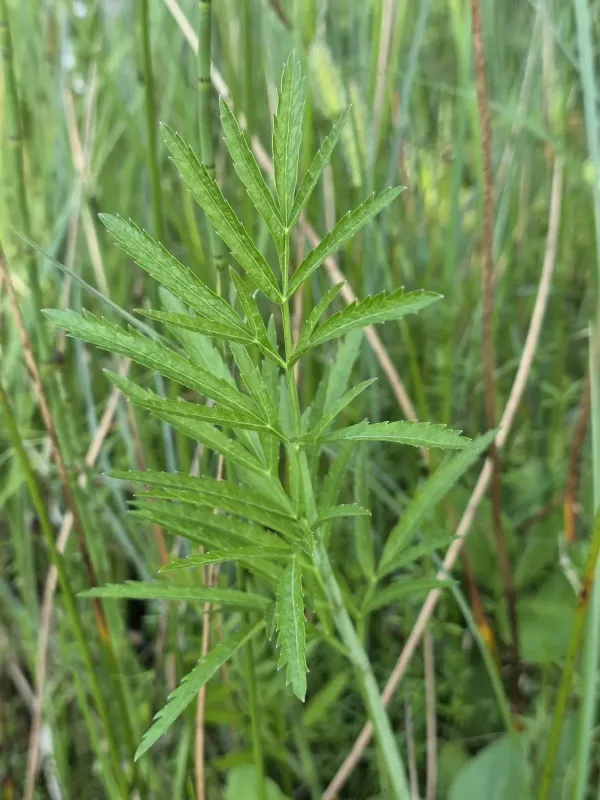
Botanically, it features a thick, hollow, chambered rootstock and a branching, hairless stem that can grow up to 1.5 meters tall. The leaves are compound and look similar to wild celery or parsley, which often leads to accidental ingestion.
The plant requires consistently wet soil conditions to survive. It is typically found in habitats with high nutrient levels and poor drainage, making these areas natural hotbeds for its development.
There is no commercial application for Cowbane in agriculture. It is strictly classified as a toxic weed and must be managed carefully in any area where livestock are grazed or fodder is harvested.
Main diseases and pests
Cowbane is remarkably resistant to typical plant pathogens. Because of its complex chemical defense system, fungal and bacterial diseases that impact other Apiaceae crops rarely affect this species.
The plant exhibits high resistance to common agricultural pests. Insects that typically feed on other members of the carrot family avoid Cowbane due to the presence of highly concentrated alkaloids.
The primary agronomic threat is the accidental contamination of harvested hay. Even when dried, the plant tissues remain toxic, posing a fatal threat to cattle, sheep, and horses if ingested.
Effective control involves mechanical removal of the entire root system. If only the aerial parts are cut, the plant is likely to regrow from the surviving rootstock in the following season.
Chemical control must be handled with extreme caution, as the plant is hazardous to touch and work with. Herbicides should only be applied by professionals to minimize the spread and ensure public safety.