
Chenopodiastrum simplex
Chenopodiastrum simplex
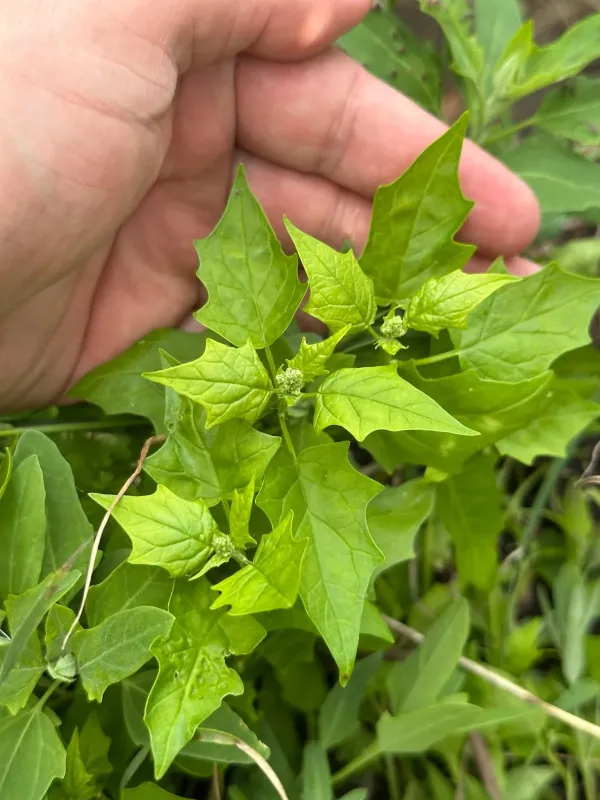
Description
Sowing dates
Chenopodiastrum simplex is an annual herbaceous plant belonging to the Amaranthaceae family. In agricultural practice, this species is noted for its robustness and rapid biomass accumulation, making it a subject of interest for specialized forage cultivation.
Sowing dates typically fall in early spring once soil temperatures reach 6–8 degrees Celsius. Mid-April is generally considered optimal, as it allows the seeds to utilize the residual moisture from snowmelt, which is crucial for early seedling establishment.
The crop is sown in rows with a spacing of 30–45 centimeters. This configuration facilitates mechanized cultivation and weed control, ensuring that the crop can thrive without competition during the initial growth phases.
The recommended seeding rate ranges from 2 to 4 kilograms per hectare, depending on seed quality and soil preparation. Proper placement at a depth of 1–2 centimeters ensures uniform germination and minimizes the risk of seedling loss.
Quick root system development allows the crop to become established before the onset of summer heat. Careful management of sowing density is essential to ensure that each plant has enough space to reach its maximum biomass potential.
Growing requirements
Chenopodiastrum simplex has no strict soil requirements, though it performs best in fertile, well-drained loamy soils. It demonstrates high ecological plasticity, allowing it to adapt to various soil types and acidity levels effectively.
As a light-loving plant, it requires full sun exposure for optimal photosynthesis. Shading or excessive plant density significantly reduces the growth rate and overall quality of the harvested biomass, making open-field cultivation mandatory.
Water requirements are moderate, as the species possesses a deep root system that helps it withstand short dry spells. However, consistent moisture during the vegetative growth stage is vital for maximizing the yield of green matter.
The crop is well-suited to temperate climates with mild spring and summer seasons. It exhibits good resistance to diurnal temperature fluctuations, making it a reliable crop for various agro-climatic zones with stable seasonal patterns.
Maintenance includes periodic inter-row cultivation to break soil crusts and promote aeration. Adding nitrogenous fertilizers during early development can significantly boost growth, enhancing the plant's capacity for rapid biomass formation.
Yield
Yield potential for Chenopodiastrum simplex is directly tied to the level of agronomic care and soil fertility. Under favorable conditions, the crop can produce a significant amount of green matter, suitable for animal feed applications.
Harvesting for seed requires precise timing to avoid shattering. The optimal window is during the full waxy ripeness phase, when the inflorescences show a brownish hue, indicating that the seeds have reached maximum maturity.
Seed yields generally range from 10 to 20 centners per hectare. The crop's high fecundity allows for efficient seed production, provided that the harvesting process is managed to minimize field losses during the transition to dry storage.
Economic use of the crop includes green fodder production or silage, which is highly appreciated due to the plant's nutritional profile. It contains essential proteins and minerals that contribute positively to the diet of livestock.
The plant's ability to regenerate after cutting allows for multiple harvests in a single season, provided sufficient moisture is available. This regenerative capacity maximizes the return on land investment and increases overall production efficiency.
Main diseases and pests
The primary threats to Chenopodiastrum simplex include fungal diseases such as downy mildew and powdery mildew, which thrive in high-humidity conditions. These pathogens can cause significant leaf damage, reducing the quality of the fodder.
Insect pests, such as leaf-mining flies and leaf beetles, pose a recurring problem by consuming plant tissue and reducing photosynthetic capacity. High populations of these pests can severely stunt growth and lower total yield.
Crop rotation is the most effective strategy to manage disease and pest pressure. By interrupting the life cycle of pathogens and insect populations, producers can maintain crop health without excessive reliance on chemical inputs.
Integrated pest management, including the use of entomophages and biological preparations, is preferred to protect the crop. Proactive monitoring of the field is necessary to intervene only when pest levels exceed economic thresholds.
Maintaining clean surroundings by removing alternative host weeds near the field is also vital. A well-managed crop is significantly more resistant to external pressures, ensuring stable performance throughout the growing season.