
Maple-leaved goosefoot
Chenopodiastrum hybridum
Description
Growing requirements
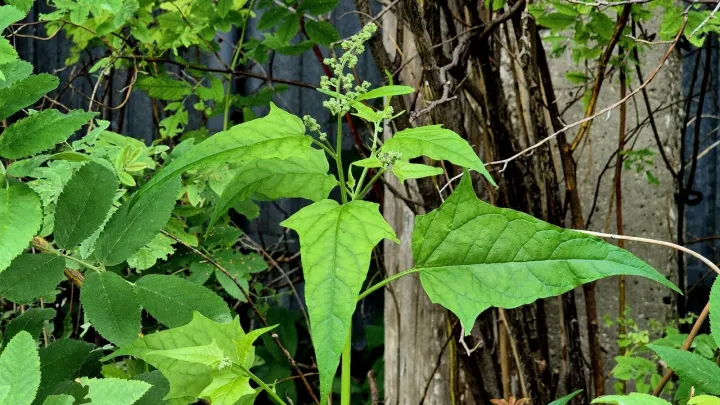
Maple-leaved goosefoot (Chenopodiastrum hybridum) is an annual herbaceous plant belonging to the Amaranthaceae family. It is easily recognized by its distinctive, triangular, maple-like leaves with sharp teeth. The plant is widely distributed across temperate regions and typically thrives in disturbed areas such as gardens, roadsides, and fertile farmland.
The plant demonstrates high adaptability to nitrogen-rich soils, which is why it often appears as a weed in well-fertilized agricultural fields. It is a competitive plant, capable of rapid early growth, which allows it to outcompete crops for light, water, and essential soil nutrients if left uncontrolled.
Biologically, it is characterized by an impressive seed production capacity. A single healthy plant can release thousands of seeds into the soil, creating a persistent seed bank that remains viable for several years. This trait makes it a persistent weed that requires long-term strategic management in crop rotation plans.
Regarding climate requirements, this species favors moderate temperatures and reliable moisture levels. It is not particularly drought-tolerant but can withstand a variety of soil types provided they are sufficiently fertile. Its geographical range spans across most of Europe and parts of Asia, reflecting its high environmental plasticity.
While not commonly used as a commercial crop, the plant serves as a vital component of the ecosystem. However, in an agricultural context, its presence is strictly managed by mechanical weeding and pre-emergent herbicide treatments to protect the yield of primary cultivated species like cereals or vegetables.
Main diseases and pests
This plant species can host various fungal pathogens, including powdery mildew, which can pose a secondary threat to neighboring crops. Managing the density of this plant in field borders is an important step in integrated pest management to prevent the spread of diseases from the weed to the cultivated plants.
Insects, particularly aphids and certain leaf-eating beetles, often colonize the maple-leaved goosefoot during the growing season. If these populations are not controlled, they may migrate to commercial crops, causing significant damage to leaves and stems, and potentially transmitting plant viruses.