
Nettle-leaf goosefoot
Chenopodiastrum murale
Description
Growing requirements
Nettle-leaf goosefoot (Chenopodiastrum murale) is an annual herb belonging to the Amaranthaceae family. Originating from the Mediterranean region, it has expanded its range globally, becoming a common inhabitant of agricultural fields, disturbed soils, and urban landscapes in temperate and subtropical zones.
The plant thrives in nitrogen-rich, well-drained soils and shows a preference for areas with high light exposure. Its environmental plasticity allows it to establish quickly in diverse soil types, though it performs best where moisture availability remains consistent throughout the growing season.
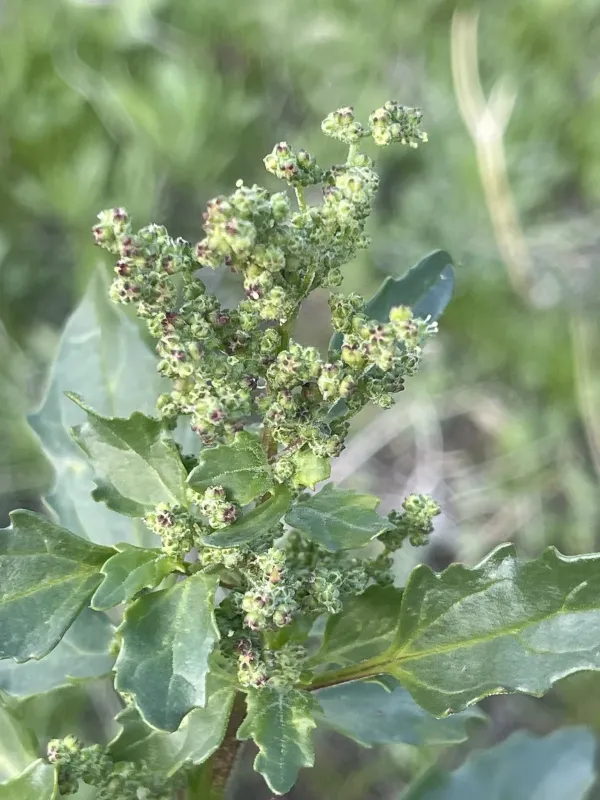
Botanically, it is recognized by its erect, branched stems and triangular to rhombic leaves with coarsely serrated margins. A distinguishing feature is the white, mealy appearance of the foliage, caused by glandular hairs that serve to mitigate water loss and offer protection against environmental stressors.
In agronomic practice, management involves cultural control methods such as regular tillage and crop rotation to prevent its spread. Because it competes aggressively for nitrogen and water, effective field sanitation is crucial for maintaining the yield potential of primary cash crops.
Historically, the plant has been utilized as a dietary source, specifically the leaves, which are rich in nutrients similar to spinach. While not a primary agricultural crop, its study is vital for understanding its role in agroecology and developing strategies for weed interference mitigation in industrial farming.
Main diseases and pests
The species is susceptible to various fungal pathogens, most notably powdery mildew, which thrives in conditions of high humidity and poor air circulation. While these infections rarely threaten the population's survival, they can significantly reduce vegetative biomass and vigor.
Pests such as aphids and specialized leaf beetles are common, feeding on the tender tissues of the plant. These insect vectors not only cause physical damage to the leaves but can also facilitate the transmission of plant viruses, which poses a threat to surrounding horticultural crops.