
Crowfoot goosefoot
Chenopodiastrum coronopus
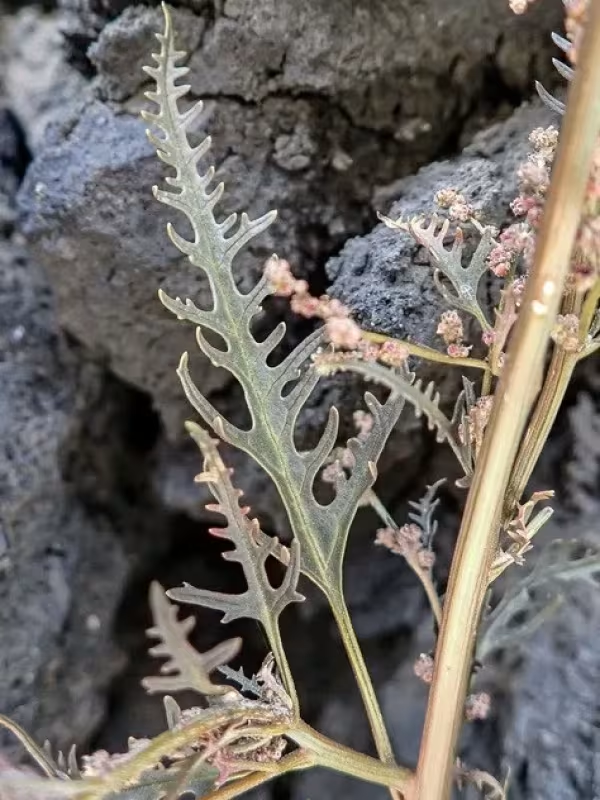
Description
Sowing dates
Sowing of Chenopodiastrum coronopus is best performed in early spring as soon as the soil temperatures rise to 8–10 degrees Celsius. The seeds are highly viable and germinate uniformly under favorable moisture conditions.
The optimal sowing depth is 1 to 2 centimeters to ensure good contact with the soil. For row cropping, spacing of 30–40 centimeters is recommended to facilitate light penetration and air circulation.
Late autumn sowing is sometimes utilized in warmer regions to capture winter moisture and ensure rapid early spring growth. This helps the plant establish a strong root system before the onset of summer heat.
A finely prepared seedbed is essential for this crop, as small seeds require consistent contact with soil particles to germinate effectively. Mechanical rolling after sowing is a standard practice to improve germination rates.
Thinning of seedlings should be conducted once the plants reach the two-leaf stage. Providing 15–20 centimeters of space between plants ensures that each specimen has sufficient resources for optimal foliage development.
Growing requirements
This crop thrives in well-drained, fertile soils with a neutral pH. It shows remarkable tolerance to various soil types, including slightly saline soils, which expands its potential cultivation area.
Full sun is essential for the healthy growth of crowfoot goosefoot. While it is hardy and adaptable, excessive shading typically results in weak, etiolated growth and lower overall yield.
Moderate irrigation is recommended, especially during dry spells in the vegetative phase. Over-watering should be avoided, as it increases the risk of soil-borne pathogens and root decay.
The plant is highly resilient to minor climatic fluctuations and can withstand mild spring frosts. Its vegetative period is relatively short, allowing for multiple rotations within a single growing season.
Soil nutrient management, specifically the application of compost or balanced nitrogen fertilizers, promotes lush leaf growth. Proper crop rotation is crucial to avoid nutrient exhaustion and the buildup of specific soil pathogens.
Main diseases and pests
The primary threats include fungal diseases like powdery mildew and downy mildew, which develop under high-humidity conditions. Maintaining plant spacing is the most effective preventative measure.
Insect pests, including aphids and leaf miners, can damage the foliage if left uncontrolled. Regular crop scouting allows for early intervention using integrated pest management strategies.
Root rot caused by poor soil drainage remains a frequent challenge. Addressing soil compaction through regular cultivation or amendments helps maintain plant health throughout the season.
Preventative measures involve removing any wild Chenopodiaceae plants nearby, as these often act as reservoirs for viruses and pests that can attack the crop.
Biological control agents, such as beneficial insects or microbial fungicides, are preferred to maintain the organic integrity of the harvested leaves.
Harvesting
Harvesting typically occurs 40 to 60 days post-germination, depending on the desired leaf size and tenderness. The crop is harvested when leaves are fully expanded but not yet showing signs of bitterness.
Successional harvesting is possible, where leaves are selectively removed, allowing the central meristem to continue producing new growth throughout the season.
Immediate post-harvest cooling is required to maintain the crispness and nutritional value of the leaves. High humidity storage is recommended to prevent wilting.
For industrial-scale operations, mechanical harvesting equipment is employed to gather the biomass efficiently. Ensuring the crop is free of surface moisture is vital to prevent spoilage during transit.
Post-harvest waste management is simple, as the plant debris is highly compostable and serves as a valuable organic amendment when properly decomposed.