
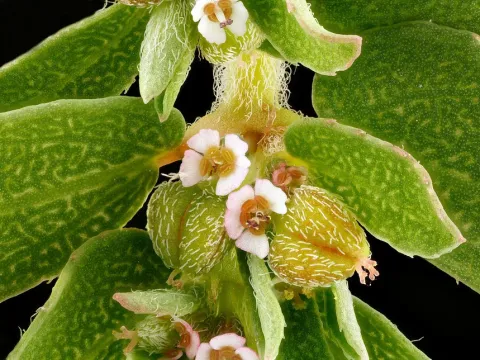
Chamaesyce
Chamaesyce
The genus Chamaesyce, often integrated into the Euphorbia genus within the Euphorbiaceae family, comprises a variety of plants often recognized as opportunistic colonizers. In agricultural settings, they are primarily managed as weeds rather than cultivated crops, due to their invasive nature and rapid life cycle.
What the section contains


Chamaesyce
Seed germination typically occurs in late spring, requiring consistent soil temperatures above 15 degrees Celsius. These plants utilize a strategy of continuous germination throughout the summer, allowing them to exploit gaps in crop canopy cover effectively.
Chamaesyce species demonstrate high tolerance for various soil textures, thriving particularly well in loose, sandy, and well-drained soils. Their ability to survive in nutrient-poor substrates makes them highly resilient in disturbed agricultural landscapes.
Light intensity is the primary driver of their metabolic activity. As heliophilic plants, they require direct solar exposure to complete their reproductive cycle successfully. This characteristic is often exploited in weed management, where dense crop planting helps to suppress their development through shading.
These plants are exceptionally drought-tolerant, possessing specialized physiological adaptations to minimize water loss. A deep taproot system allows them to persist during severe summer heat, effectively competing with shallow-rooted crops for limited soil moisture.
While the milky latex within the plant contains toxic compounds that deter many generalist herbivores, Chamaesyce can still be affected by specific fungal pathogens. Rusts and powdery mildews are among the most frequently observed infections in populations during high-humidity seasons.
Common insect pests, such as aphids and spider mites, may sporadically feed on these plants; however, the impact is rarely significant enough to compromise their survival. In the context of industrial agriculture, the focus remains on total control of these populations to protect the integrity of the primary harvest.