
Chamaesyce hispida
Chamaesyce hispida
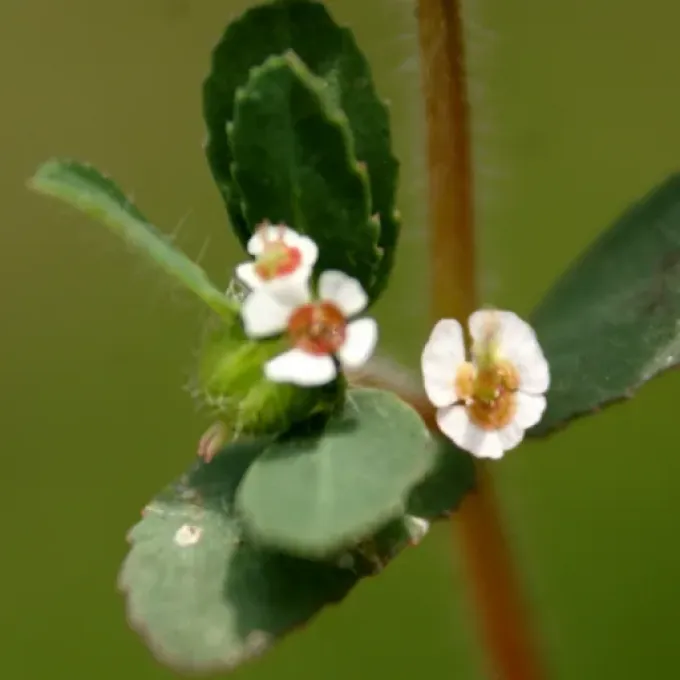
Description
Growing requirements
Chamaesyce hispida is a member of the Euphorbiaceae family, widely recognized for its resilience and specific morphological adaptations. The plant typically features a low-growing or decumbent habit, which is an evolutionary strategy for survival in exposed environments.
Native to regions with distinct climatic patterns, this species thrives in well-aerated soils with excellent drainage. It is particularly well-suited for sandy or rocky substrates where nutrient availability is low, but mineral diversity is sufficient to support its growth cycles.
Climate requirements for Chamaesyce hispida involve high thermal thresholds. It prefers consistent warmth and thrives in environments where daytime temperatures stay well within the range of 20°C to 30°C, avoiding cold stress and frost exposure at all costs.
Agricultural practices for this crop focus heavily on moisture management. Because it is highly sensitive to hypoxia in the root zone, strict irrigation control is necessary. The soil must be allowed to dry out significantly between watering intervals to maintain plant vigor.
From a technical standpoint, the plant's physiological defense mechanism includes a white milky latex stored in the tissues. Agronomists should implement safety protocols when handling the biomass, as this substance can cause irritation or allergic reactions in sensitive individuals.