
Chamaesyce glomerifera
Chamaesyce glomerifera
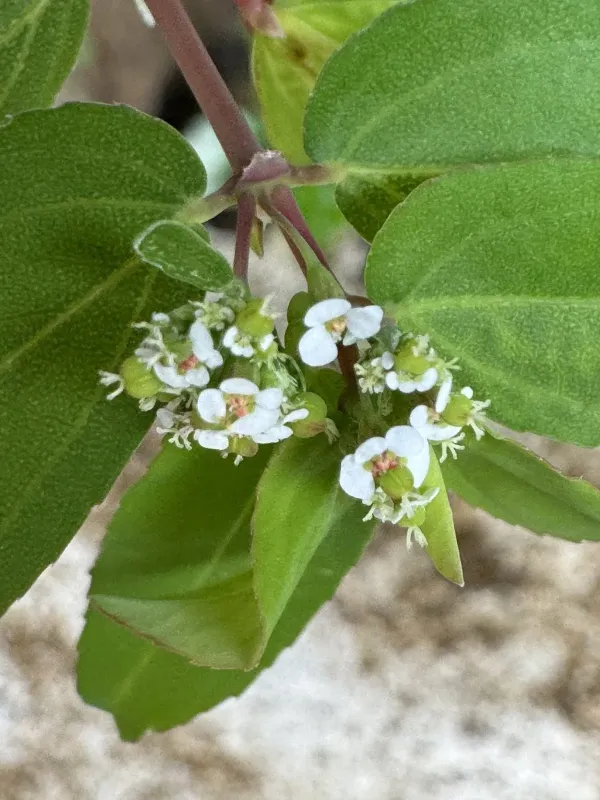
Description
Growing requirements
Chamaesyce glomerifera is a member of the Euphorbiaceae family, widely known for its adaptability to specific tropical and subtropical climates. It is a distinct botanical species often studied for its ecological role in native habitats.
The plant requires full sun exposure to reach its maximum productivity. In cultivation settings, ensuring that the crop receives at least six to eight hours of direct sunlight is essential for healthy development.
Regarding soil requirements, the species thrives in well-drained, porous soils. Heavy clay soils should be avoided or amended with organic matter to prevent water accumulation that can suffocate the roots.
Climate tolerance for this species is limited to frost-free environments. It performs best in warm, stable conditions where the ambient temperature consistently remains between 20 and 30 degrees Celsius throughout the season.
Watering needs must be managed strictly. While it requires moisture during the establishment phase, the plant demonstrates a certain level of drought tolerance once fully mature, provided it is not subjected to prolonged dry spells.
Main diseases and pests
The plant is susceptible to common pests such as spider mites and mealybugs. These insects can cause significant damage to the plant tissue if left unchecked, leading to stunted growth or total plant decline.
Root rot is the most significant disease threat, typically caused by Pythium or Phytophthora species. Proper irrigation management and soil sterilization are the primary defenses against these soil-borne pathogens.
Powdery mildew is another major concern in environments with fluctuating humidity levels. It manifests as a white, dusty layer on the foliage and requires prompt treatment with appropriate systemic fungicides.
Aphid infestations can occur, particularly during periods of rapid vegetative growth. Early intervention with insecticidal soaps or biological control agents is recommended to prevent the spread of viral diseases.
Weed competition is a constant threat during the early stages of cultivation. Integrated weed management, including mechanical removal or mulching, is crucial to prevent competition for essential nutrients and sunlight.